Understanding Blepharitis: Comprehensive Eye Health and Treatment Options
Fast Facts:
- Blepharitis often causes chronic eyelid inflammation.
- Trend info: Growing awareness of ocular hygiene for better eye health.
Demystifying Blepharitis: Causes and Symptoms of Eyelid Inflammation
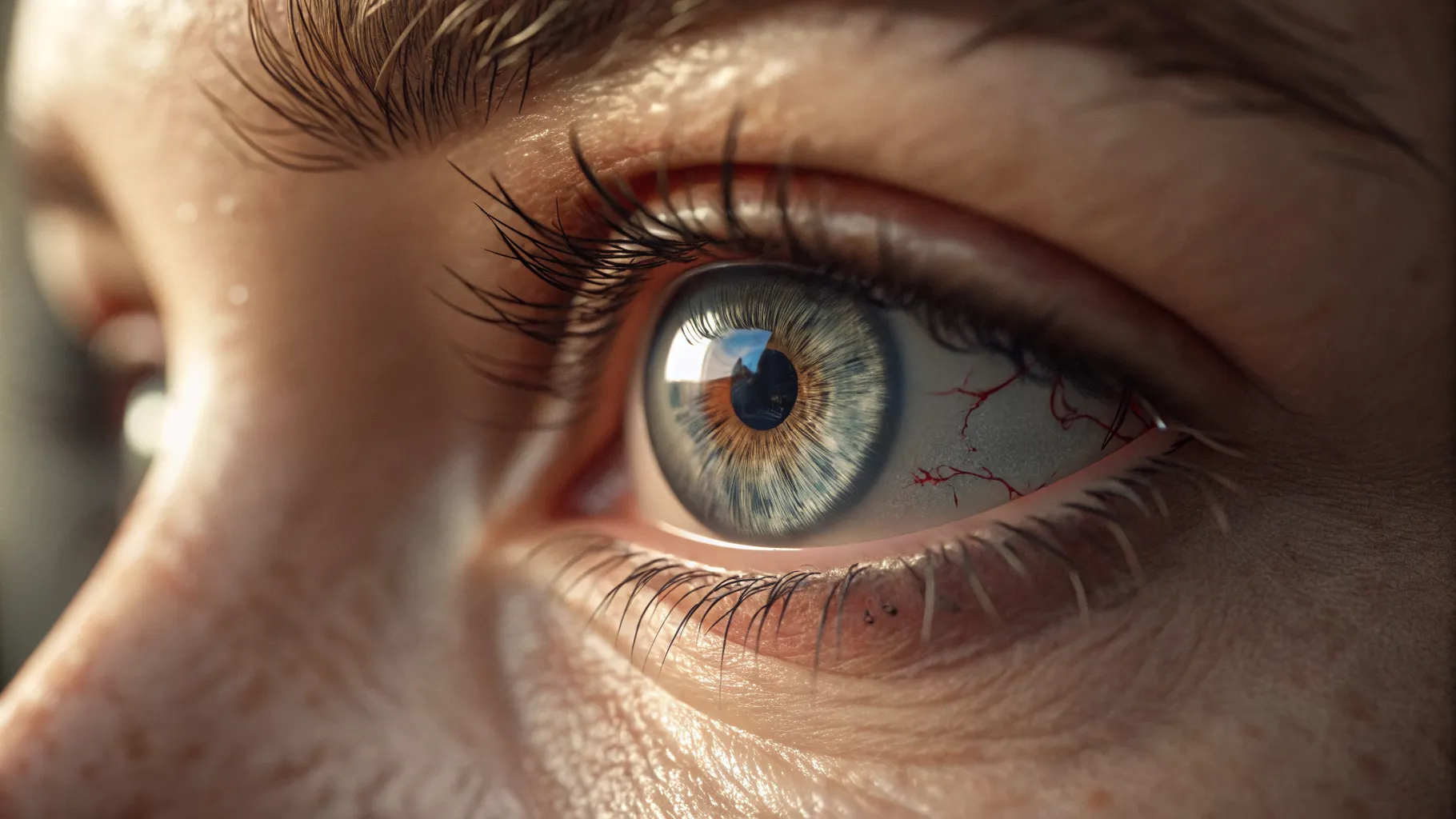
Blepharitis is a common and often chronic condition that causes eyelid inflammation, impacting overall eye health. It can be irritating, unsightly, and sometimes painful. Understanding the root causes and recognizing the varied symptoms is the first crucial step towards effective management and finding appropriate treatment options to alleviate discomfort and prevent complications. This article delves deep into the condition, offering comprehensive insights for those seeking to improve their ocular well-being.
Exploring the Different Types of Blepharitis and Their Origins
Blepharitis is broadly categorized into two main types: anterior and posterior. Anterior blepharitis primarily affects the outside front of the eyelid, where the eyelashes attach. It is often caused by bacteria (Staphylococcal blepharitis) or dandruff of the scalp and eyebrows (seborrheic blepharitis). Staphylococcal blepharitis typically presents with sticky eyelids, crusted lashes upon waking, and sometimes mild ulceration. Seborrheic blepharitis, on the other hand, is characterized by greasy, flaky scales around the base of the eyelashes. Understanding these distinctions is critical for tailoring appropriate treatment options and managing symptoms effectively to maintain optimal eye health. Both types can lead to chronic eyelid inflammation if left untreated, necessitating consistent ocular hygiene practices.
Posterior blepharitis affects the inner eyelid, the moist part that makes contact with the eye, specifically impacting the meibomian glands, which produce the oily component of tears. This form is often associated with conditions like rosacea or seborrheic dermatitis. Meibomian gland dysfunction (MGD) is a common cause, leading to blocked glands, altered oil production, and subsequently, dry eyes. The resulting tear film instability exacerbates eyelid inflammation and discomfort. Identifying whether the condition is anterior or posterior helps in determining the most effective strategies for managing chronic blepharitis and preserving long-term eye health. Proper diagnosis by an eye care professional is essential for devising a personalized approach.
Common Symptoms and Diagnosis of Persistent Eyelid Inflammation
Recognizing the symptoms of blepharitis is crucial for early intervention. Common indicators include red, itchy, and swollen eyelids, a gritty or burning sensation in the eyes, excessive tearing, sensitivity to light (photophobia), and crusting of the eyelashes, especially noticeable in the morning. Patients may also experience a feeling of having something in their eye, blurred vision that improves with blinking, or loss of eyelashes (madarosis). These symptoms can fluctuate in severity and can significantly impact daily life and overall eye health if not addressed.
Diagnosing blepharitis typically involves a comprehensive eye examination by an optometrist or ophthalmologist. The doctor will examine the eyelids, eyelashes, and the oil glands at the base of the lashes using a magnified viewing instrument. They may also assess the quality and quantity of the tear film. In some cases, a swab of the eyelid margin might be taken to identify bacterial or fungal causes, especially if the condition is severe or unresponsive to initial treatment options. Accurate diagnosis helps differentiate blepharitis from other eye conditions with similar symptoms, ensuring that the prescribed management plan is specifically targeted at reducing eyelid inflammation and improving comfort.
Effective Treatment Options for Comprehensive Blepharitis Management
Managing blepharitis often requires a multifaceted approach, focusing on controlling eyelid inflammation and maintaining optimal ocular hygiene. While a complete cure is rare due to its chronic nature, various treatment options can effectively control symptoms and prevent flare-ups. The cornerstone of treatment for all forms of blepharitis is regular and thorough eyelid cleaning. This involves warm compresses to loosen crusts and oil buildup, followed by gentle scrubbing of the eyelid margins with a diluted baby shampoo or a specialized eyelid cleanser. Consistency in these practices is key to long-term success and improved eye health.
For more severe cases or specific types of blepharitis, additional medical interventions may be necessary. Topical antibiotics (creams, ointments, or eye drops) can be prescribed to reduce bacterial load on the eyelids, particularly in staphylococcal forms. Oral antibiotics might be considered for severe or recalcitrant cases, especially those associated with rosacea, as they can have anti-inflammatory effects. Corticosteroid eye drops or ointments may be used short-term to reduce acute eyelid inflammation. For posterior blepharitis and meibomian gland dysfunction, treatments can include omega-3 fatty acid supplements, warm compresses and eyelid massage, and sometimes specific medications to improve meibomian gland function. Always consult with an eye care professional to determine the most appropriate treatment options for your specific condition and to avoid potential side effects.
Comparison of Ocular Hygiene Practices: Traditional vs. Advanced Approaches
Maintaining stringent ocular hygiene is paramount in managing and preventing recurrences of blepharitis. Traditionally, this has involved simple warm compresses and gentle eyelid scrubs using mild soap and water or diluted baby shampoo. These methods are effective in removing crusts, debris, and excess oil from the eyelid margins, thereby reducing bacterial load and soothing eyelid inflammation. The warmth from compresses helps to melt hardened oils in the meibomian glands, facilitating their expression during gentle massage, which is a vital step in managing posterior blepharitis and improving overall eye health.
However, modern advancements offer more sophisticated treatment options for ocular hygiene. Specialized eyelid cleansers, often containing tea tree oil or hypochlorous acid, are now available. These products are formulated to be gentle yet effective, providing antimicrobial and anti-inflammatory benefits. Devices for in-office treatments, such as thermal pulsation systems (e.g., LipiFlow) or microblepharoexfoliation (e.g., BlephEx), offer targeted solutions for chronic cases by mechanically clearing blocked glands or exfoliating the eyelid margins. While traditional methods remain foundational, these advanced approaches can provide significant relief and long-term control for individuals whose blepharitis does not respond adequately to home care, enhancing the overall efficacy of treatment options.
Actionable Steps for Blepharitis Prevention and Eye Health Maintenance
- Daily Eyelid Hygiene:
Consistently perform warm compresses on your eyelids for 5-10 minutes, followed by a gentle scrub of the eyelid margins. Use a clean washcloth with diluted baby shampoo or a specialized eyelid cleanser. This routine helps loosen crusts, remove debris, and keep the meibomian glands clear, preventing the build-up that leads to eyelid inflammation and safeguarding your eye health.
- Manage Underlying Conditions:
If you have conditions like rosacea, seborrheic dermatitis, or dry eyes, work with your doctor to manage them effectively. These conditions often contribute to blepharitis, and controlling them can significantly reduce flare-ups and the need for more intensive treatment options.
- Careful Use of Eye Makeup:
Avoid eye makeup, especially eyeliner and mascara, during active flare-ups. When symptoms are controlled, choose hypoallergenic products and always remove all makeup thoroughly before sleeping. This minimizes irritation and bacterial contamination that can worsen blepharitis and impact delicate eye health.
- Nutritional Support:
Incorporate omega-3 fatty acids into your diet through foods like fatty fish (salmon, flaxseeds) or supplements. Omega-3s are known to support healthy tear film production and reduce systemic inflammation, which can be beneficial for managing chronic eyelid inflammation and supporting overall ocular hygiene.
- Regular Eye Check-ups:
Schedule routine visits with your eye care professional. Early detection of potential issues and professional guidance on adjusting your hygiene and treatment options can help keep blepharitis under control and ensure optimal eye health in the long term.
Frequently Asked Questions
Is Blepharitis a serious eye condition?
While often uncomfortable and persistent, blepharitis is generally not considered a serious condition that threatens vision. However, severe or untreated cases can lead to complications like corneal ulcers, chronic dry eyes, styes, chalazia, or permanent changes to the eyelids, which can impact vision and overall eye health. Prompt and consistent management with appropriate treatment options is important to prevent these complications and manage eyelid inflammation effectively.
Can Blepharitis be cured permanently?
Unfortunately, blepharitis is often a chronic condition with no permanent cure. It typically requires ongoing management to control symptoms and prevent flare-ups. The goal of treatment options is to keep the condition in remission and minimize discomfort. Regular ocular hygiene and adherence to your eye care professional's recommendations are key to long-term control of eyelid inflammation and maintaining good eye health.
What makes Blepharitis worse?
Several factors can exacerbate blepharitis symptoms, including poor ocular hygiene, not removing eye makeup thoroughly, underlying skin conditions like rosacea or seborrheic dermatitis, allergies, contact lens use, dry eye syndrome, and environmental irritants such as smoke, dust, or wind. Stress and fatigue can also sometimes trigger flare-ups of eyelid inflammation. Identifying and avoiding these triggers is an important part of managing the condition and supporting your eye health.
References
- American Academy of Ophthalmology. Blepharitis.
- National Eye Institute. Facts About Blepharitis.
- Ocular Surface Disease Society. Guidelines for Blepharitis Management.
- Journal of Ophthalmology. Review on Contemporary Blepharitis Treatment.
Authored by MyTrendSpot team