Understanding Eczema: Symptoms, Causes, and Effective Treatments
Fast Facts:
- Eczema affects millions worldwide, often starting in childhood.
- Prevalence of atopic dermatitis has increased globally for all age groups.
Deciphering the Complex World of Eczema: From Triggers to Relief
Eczema, also known as atopic dermatitis, is a chronic inflammatory skin condition characterized by red, itchy, and often scaly patches. It can manifest in various forms and degrees of severity, profoundly impacting the quality of life for those affected. Understanding the multifaceted nature of eczema symptoms, identifying its underlying causes of eczema, and exploring the diverse range of available eczema treatments are crucial steps towards effective management and achieving long-term relief from this persistent skin condition.
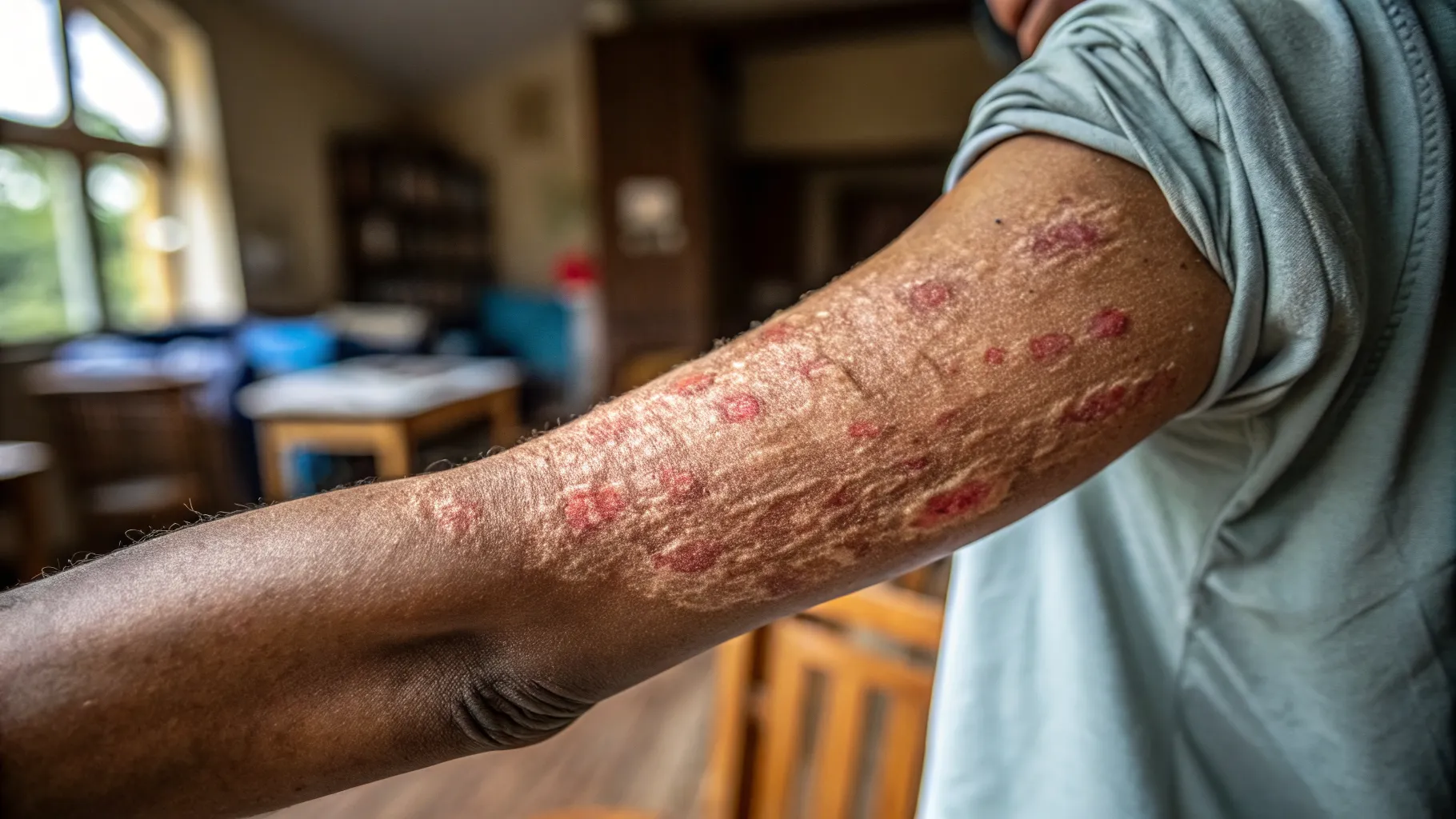
The Hallmarks of Eczema: Recognizing Its Diverse Symptoms
Eczema symptoms can vary significantly between individuals and across different age groups, but they commonly involve intense itching, dry skin, and inflammatory responses. The primary symptom is pruritus, or itching, which can be severe enough to disrupt sleep and daily activities. Persistent scratching, while providing temporary relief, can lead to further skin damage, thickening of the skin (lichenification), and increased risk of infection. Other characteristic eczema symptoms include erythema (redness), oedema (swelling), and papules (small raised bumps) or vesicles (small fluid-filled blisters) that may weep or crust over.
Infant Eczema Symptoms
In infants, eczema symptoms often appear as red, weeping patches on the scalp, face (especially cheeks), and extensor surfaces of the arms and legs. These areas can be severely irritated by rubbing against bedding or clothing, leading to discomfort and sleep disturbances for both the child and parents. Early recognition of these symptoms is vital for initiating prompt eczema treatments.
Childhood Eczema Symptoms
As children grow older, eczema symptoms tend to shift, commonly appearing in the folds of the skin, such as the inner elbows, behind the knees, and around the neck. The skin in these areas may become dry, thickened, and appear scaly. Scratching can lead to open sores, making the child susceptible to secondary bacterial infections. Managing these symptoms often involves a combination of emollients and topical corticosteroids, forming part of comprehensive eczema treatments.
Adult Eczema Symptoms
In adults, eczema symptoms can be widespread or localized to specific areas like the hands, feet, and eyelids. Chronic scratching and inflammation often result in significantly thickened skin (lichenification), which may appear darker or lighter than the surrounding skin. Adults may also experience intense itching without obvious rashes, a condition known as prurigo. Identifying the specific presentation of atopic dermatitis in adults is key to tailoring effective eczema treatments.
Unraveling the Causes of Eczema: A Multifactorial Condition
The precise causes of eczema are complex and not fully understood, but it is widely accepted that a combination of genetic, environmental, and immunological factors contribute to its development. Individuals with a family history of atopic dermatitis, asthma, or hay fever are at a higher risk, suggesting a strong genetic predisposition. Research has identified several gene mutations, particularly those affecting the filaggrin protein, which plays a crucial role in maintaining the skin barrier. A compromised skin barrier allows irritants, allergens, and microbes to penetrate the skin more easily, triggering an immune response and leading to skin inflammation, a hallmark of eczema symptoms.
Genetic Predisposition and Immune Dysfunction
Beyond filaggrin, other genes involved in immune regulation and skin barrier function are implicated in the causes of eczema. The immune system of individuals with atopic dermatitis often overreacts to otherwise harmless substances, leading to chronic skin inflammation. This involves an imbalance of T-helper cells (Th1 and Th2) and an increased production of IgE antibodies, a characteristic of allergic responses. Understanding these underlying immunological mechanisms is crucial for developing targeted eczema treatments.
Environmental Triggers and Lifestyle Factors
Environmental factors play a significant role in exacerbating or triggering eczema symptoms. Common irritants include harsh soaps, detergents, certain fabrics (like wool), and exposure to excessive heat or cold. Allergens such as dust mites, pollen, pet dander, and certain foods (e.g., dairy, eggs, peanuts) can also provoke flare-ups in susceptible individuals. Stress, sweat, and infections are further recognized triggers that contribute to the cyclical nature of atopic dermatitis. Identifying and avoiding these triggers is a cornerstone of managing the causes of eczema.
Comprehensive Eczema Treatments: Strategies for Relief
Effective eczema treatments involve a multi-pronged approach aimed at reducing inflammation, alleviating itching, restoring the skin barrier, and preventing future flare-ups. Given the chronic nature of atopic dermatitis, consistency in treatment is paramount. Treatment plans are often individualized based on the severity of eczema symptoms, the patient's age, and specific triggers.
Topical Medications for Skin Inflammation
Topical corticosteroids are a cornerstone of many eczema treatments, used to reduce skin inflammation and itching during flare-ups. These come in various potencies and should be used under medical supervision to avoid side effects like skin thinning. Calcineurin inhibitors (TCIs) are another class of topical medications that can be used for sensitive areas, such as the face and skin folds, as they do not carry the same risk of skin thinning. These help modulate the immune response in the skin and are particularly useful for long-term management of atopic dermatitis.
Moisturizing and Skin Barrier Repair
Regular and liberal application of emollients and moisturizers is fundamental to all eczema treatments. These products help to hydrate the skin, reduce dryness, and repair the compromised skin barrier. Opt for fragrance-free, hypoallergenic formulations, especially after bathing when the skin is still damp, to lock in moisture. Consistent moisturization is crucial in mitigating eczema symptoms and preventing flares by strengthening the skin's natural defenses.
Systemic Treatments and Biologics
For individuals with severe or widespread eczema symptoms that do not respond to topical therapies, systemic eczema treatments may be considered. These include oral corticosteroids, immunosuppressants, and newer biologic drugs. Biologics, such as dupilumab, target specific immune pathways involved in atopic dermatitis, offering a more targeted approach with potentially fewer side effects than traditional systemic medications. These advanced treatments represent significant progress in managing chronic and severe skin inflammation.
Lifestyle Adjustments and Trigger Avoidance
Beyond medical interventions, lifestyle modifications play a critical role in managing eczema symptoms. Identifying and avoiding personal triggers, whether they are environmental allergens, irritants in personal care products, or certain foods, can significantly reduce the frequency and severity of flare-ups. Maintaining a comfortable room temperature, wearing soft, breathable clothing, and practicing stress-reduction techniques are all vital components of a holistic approach to eczema treatments.
Living with Eczema: Practical Advice for Daily Management
Effectively managing atopic dermatitis on a daily basis involves more than just addressing flare-ups; it requires a proactive approach to skin care and lifestyle. Understanding your specific triggers and creating a consistent daily routine can dramatically improve your quality of life. The goal is not just to treat eczema symptoms when they appear, but to prevent them from occurring as much as possible.
- Gentle Bathing Practices: Opt for lukewarm baths or showers, rather than hot ones, and limit bath time to 5-10 minutes. Use mild, fragrance-free cleansers. Immediately after bathing, gently pat the skin dry and apply moisturizer within three minutes to seal in moisture, which is a key part of effective eczema treatments.
- Moisturize Regularly: Apply a thick emollient or cream at least twice daily, even when your skin feels clear. Consistent hydration helps to restore the skin barrier and prevent dryness, a common contributor to skin inflammation.
- Identify and Avoid Triggers: Keep a journal to track potential triggers for your eczema symptoms. These could include certain foods, pet dander, pollen, dust mites, harsh detergents, or stress. Once identified, make a concerted effort to minimize exposure to these factors.
- Manage Stress: Stress can be a significant trigger for eczema flare-ups. Incorporate stress-reduction techniques into your daily routine, such as mindfulness, yoga, deep breathing exercises, or spending time in nature. Reducing stress can directly impact the severity of eczema symptoms.
- Wear Appropriate Clothing: Choose loose-fitting clothing made from soft, natural fibers like cotton. Avoid synthetic fabrics and wool, which can irritate the skin and worsen itching, exacerbating skin inflammation.
Emerging Therapies and Future Directions in Eczema Management
The field of eczema treatments is continuously evolving, with significant research dedicated to understanding atopic dermatitis at a molecular level and developing more targeted therapies. This progress offers hope for better control over eczema symptoms and improved quality of life for those affected. Innovations are focusing on precision medicine, tailoring treatments based on an individual's specific genetic and immunological profile.
Newer small molecule inhibitors, for instance, are being developed to block specific enzymes involved in inflammatory pathways, offering oral alternatives to injectables for systemic treatment. Additionally, advances in understanding the skin microbiome are opening doors for probiotic and prebiotic interventions that could potentially help rebalance the skin's ecosystem and strengthen its barrier function, thereby mitigating the causes of eczema. Phototherapy, utilizing controlled exposure to UV light, also continues to be refined as a non-pharmacological option for reducing skin inflammation and improving eczema symptoms for some patients. These ongoing developments underscore a promising future in the comprehensive management of atopic dermatitis.
Frequently Asked Questions
What are the primary Eczema symptoms?
The primary Eczema symptoms include intense itching, red or discolored patches of skin, dryness, and often scaly, thickened, or cracked skin. In severe cases, there can be weeping or crusting. These symptoms can vary in severity and location depending on age and individual factors.
What are the main causes of eczema?
The main causes of eczema are a combination of genetic predisposition and environmental triggers. Individuals often have a compromised skin barrier (e.g., due to filaggrin gene mutations) and an overactive immune system. Environmental factors like irritants (soaps, detergents), allergens (dust mites, pollen), and stress can trigger or worsen atopic dermatitis flare-ups.
What are the most effective eczema treatments?
Effective eczema treatments often involve a multi-pronged approach: consistent moisturizing with emollients to repair the skin barrier, topical corticosteroids or calcineurin inhibitors to reduce skin inflammation and itching during flare-ups, and identifying/avoiding triggers. For severe cases, systemic medications or biologics may be prescribed by a dermatologist.
Is eczema contagious?
No, eczema is not contagious. It is a chronic inflammatory condition, not an infection, and cannot be spread from person to person. While eczema symptoms can be uncomfortable and visible, they do not pose a risk of transmission.
How can I manage eczema itching?
Managing eczema itching is crucial to prevent further skin damage. Strategies include regularly applying moisturizers, using prescribed topical medications, taking antihistamines (if recommended by a doctor for sleep), using cool compresses, and avoiding scratching by keeping nails short. Identifying and eliminating triggers that worsen skin inflammation also helps reduce itching.
References
- National Eczema Association.
- American Academy of Dermatology Association.
- World Health Organization (WHO) reports on skin conditions.
- Dermatology textbooks and peer-reviewed journals.
Authored by MyTrendSpot team