Understanding Insomnia: Signs, Causes, and Effective Treatments
Insomnia, the persistent inability to fall or stay asleep, affects millions worldwide, often leading to fatigue, irritability, and impaired cognitive function during waking hours. Understanding this complex condition involves recognizing its varied manifestations, identifying potential triggers, and exploring the diverse range of available management strategies. This comprehensive guide aims to shed light on insomnia, providing actionable insights for those seeking relief and a better night's rest.
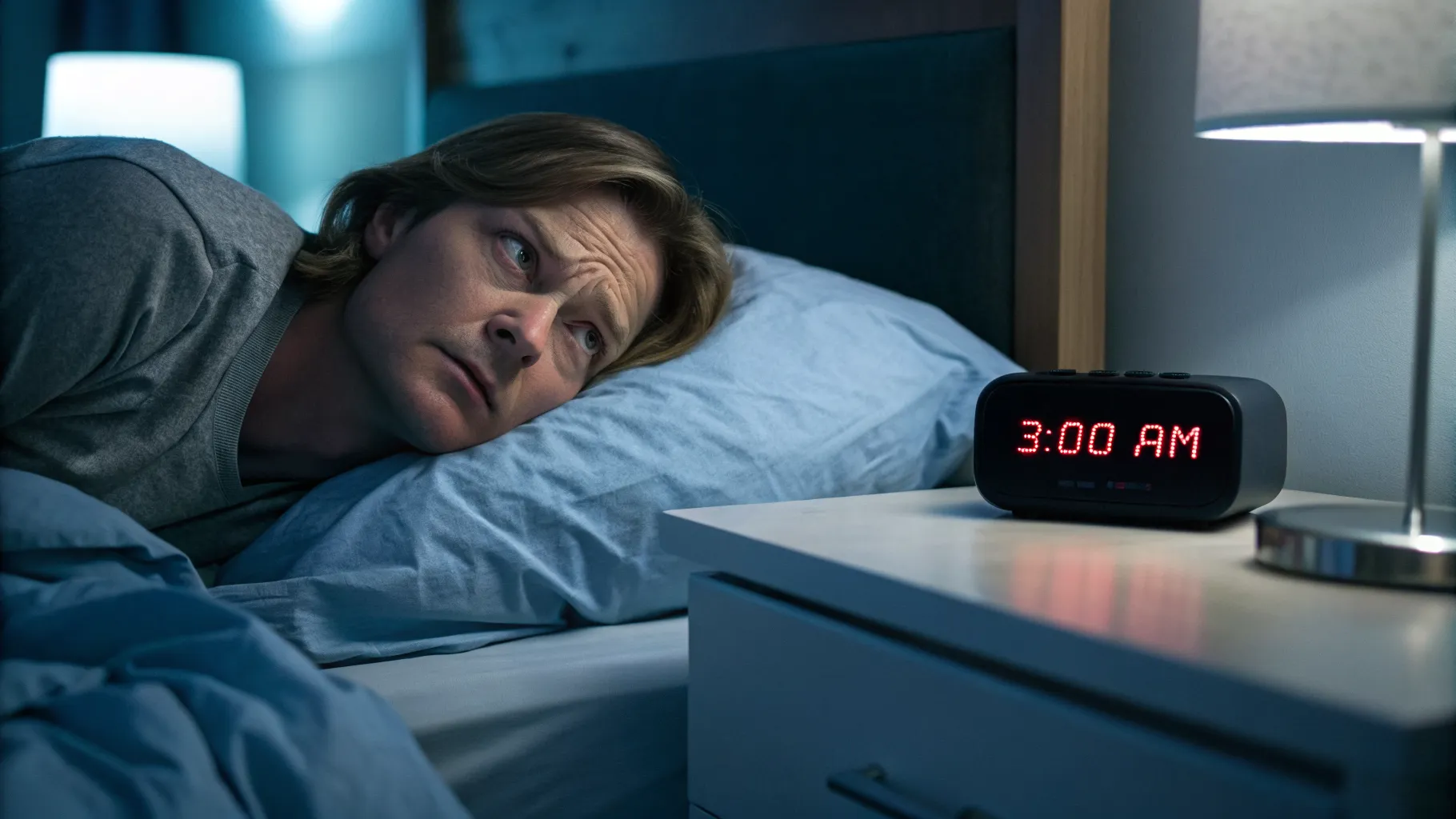
What Exactly Is Insomnia?
Insomnia is broadly defined as a sleep disorder characterized by persistent problems with sleep initiation, duration, consolidation, or quality that occur despite adequate opportunity and circumstances for sleep. These difficulties lead to some form of daytime impairment. It's not just about one bad night's sleep, but a recurring issue that impacts an individual's well-being.
The condition can be categorized as acute or chronic. Acute insomnia is typically short-term, lasting from a few days to a few weeks, often triggered by stress, illness, or changes in environment. Chronic insomnia, on the other hand, persists for three months or longer, occurring at least three nights per week, and can have more profound effects on a person's physical and mental health.
Recognizing the Common Signs and Symptoms
Identifying insomnia often begins with an awareness of your own sleep patterns and how they affect your daytime functioning. The primary signs revolve around the act of sleeping itself, such as struggling to fall asleep within 30 minutes, waking up frequently during the night, waking too early in the morning and being unable to go back to sleep, or experiencing unrefreshing sleep.
Beyond the nighttime struggles, insomnia manifests through various daytime symptoms. These can significantly impact daily life and overall quality of living. Recognizing these signs is crucial for understanding the extent of the condition and seeking appropriate help.
- Feeling fatigued or drowsy during the day
- Irritability, anxiety, or mood disturbances
- Difficulty concentrating, remembering, or focusing on tasks
- Increased errors or accidents
- Lack of motivation or energy
- Headaches or gastrointestinal symptoms
- Concerns or worries about sleep
Exploring the Diverse Causes of Insomnia
Insomnia is rarely caused by a single factor and often arises from a complex interplay of psychological, physical, and environmental influences. Common psychological contributors include stress, anxiety, depression, and other mental health conditions. Periods of significant life stress, such as job loss or relationship problems, can easily disrupt sleep patterns.
Medical conditions can also play a significant role. Chronic pain, asthma, heart disease, thyroid disorders, and neurological conditions like Parkinson's disease can all interfere with sleep. Certain medications, including some antidepressants, cold and allergy medications, blood pressure drugs, and corticosteroids, may also have insomnia as a side effect. Lifestyle choices are another major factor. Irregular sleep schedules, excessive caffeine or alcohol consumption, smoking, and insufficient physical activity can all contribute to poor sleep quality. Moreover, a suboptimal sleep environment—such as a noisy bedroom, a room that is too hot or cold, or exposure to bright lights—can make it difficult to fall and stay asleep.
Diagnosing Insomnia: When to Seek Professional Help
If you suspect you have insomnia and it's significantly impacting your daily life, it's advisable to consult a healthcare professional. A doctor can help determine if there's an underlying medical condition contributing to your sleep problems. Diagnosis often begins with a thorough medical history and a discussion of your sleep habits. Your doctor might ask you to keep a sleep diary for a week or two, documenting your sleep and wake times, as well as any factors that might affect your sleep.
In some cases, your doctor may recommend a sleep study, known as polysomnography. This test monitors various bodily functions during sleep, such as brain waves, breathing, heart rate, and limb movements, to identify specific sleep disorders like sleep apnea or restless legs syndrome, which can mimic or exacerbate insomnia. Understanding the root cause is a vital step toward effective treatment.
Lifestyle and Behavioral Adjustments for Better Sleep
Many people can significantly improve their sleep quality by adopting healthy sleep habits, often referred to as sleep hygiene. Establishing a consistent sleep schedule, even on weekends, helps regulate your body's internal clock. Creating a comfortable and dark sleep environment, free from excessive noise and extreme temperatures, is also crucial.
Incorporating regular physical activity into your daily routine can promote better sleep, but it's generally best to avoid intense exercise close to bedtime. Diet also plays a role; avoiding heavy meals, caffeine, and alcohol in the hours leading up to sleep can prevent disruptions. Creating a relaxing bedtime routine, such as taking a warm bath or reading a book, signals to your body that it's time to wind down.
- Go to bed and wake up at the same time every day, including weekends.
- Make your bedroom dark, quiet, and cool.
- Avoid large meals, caffeine, and alcohol before bedtime.
- Get regular physical activity during the day, but not too close to sleep.
- Develop a relaxing pre-sleep ritual.
Professional Treatments and Therapeutic Options
For individuals with chronic insomnia, lifestyle changes alone may not be sufficient, and professional intervention might be necessary. Cognitive Behavioral Therapy for Insomnia (CBT-I) is widely considered the first-line treatment. CBT-I is a structured program that helps individuals identify and replace thoughts and behaviors that cause or worsen sleep problems with habits that promote sound sleep. It typically involves several sessions and focuses on addressing underlying causes of insomnia, rather than just treating symptoms.
Medications can also be used to treat insomnia, but they are often prescribed for short-term use due to potential side effects and the risk of dependence. These can include prescription sleep aids, antidepressants, or antihistamines, depending on the individual's specific situation and medical history. Any medication for sleep should always be taken under the guidance of a healthcare professional. Other therapies, such as relaxation techniques, mindfulness meditation, and light therapy for circadian rhythm disorders, may also be beneficial as part of a comprehensive treatment plan.
Creating a Sleep-Friendly Environment
The environment in which you sleep has a profound impact on your ability to fall asleep and stay asleep. Optimizing your bedroom for sleep involves several key considerations. First, ensure your room is as dark as possible by using blackout curtains or an eye mask. Even small amounts of light can disrupt melatonin production, a hormone essential for sleep. Second, minimize noise distractions; earplugs or a white noise machine can be helpful for those in noisy environments. Third, maintain a cool bedroom temperature, typically between 60 and 67 degrees Fahrenheit, as this range is generally conducive to sleep.
Beyond these physical aspects, consider how you use your bedroom. Ideally, it should be reserved primarily for sleep and intimacy to create a strong mental association between the room and restful sleep. Avoid working, watching television, or using electronic devices in bed, as these activities can stimulate your mind and make it harder to wind down. Creating a sanctuary for sleep helps train your brain to recognize the bedroom as a place for rest.
Managing Insomnia Long-Term and Preventing Relapse
Successfully treating insomnia often involves a commitment to ongoing self-care and the application of learned strategies. Maintaining consistent sleep hygiene practices, even after your sleep improves, is crucial for preventing relapse. This includes adhering to a regular sleep schedule, continuing your pre-sleep relaxation routines, and being mindful of your diet and exercise habits.
It's also important to identify potential triggers that might lead to a return of insomnia symptoms. This could involve recognizing patterns of stress, understanding the impact of certain lifestyle changes, or being aware of how travel might affect your sleep. If symptoms reappear, revisiting the techniques learned through CBT-I or consulting your healthcare provider promptly can help address the issue before it becomes chronic again. Long-term management of insomnia is about building resilience in your sleep patterns and proactively addressing challenges.
Authored by MyTrendSpot team