Understanding Laser Treatment for Varicose Veins: A Comprehensive Guide to Endovenous Ablation
Facts:
- Millions worldwide seek relief from varicose veins.
- Advancements in vein laser therapy are increasing patient satisfaction for varicose vein treatment.
Exploring Endovenous Laser Ablation for Varicose Veins
Varicose veins, characterized by enlarged, twisted veins often appearing on the legs, are a common condition stemming from underlying venous insufficiency. For many, they are not merely a cosmetic concern but can cause significant discomfort, pain, and even serious health issues. Fortunately, modern medicine offers highly effective solutions, with laser treatment for varicose veins, specifically known as endovenous laser ablation (EVLA), standing out as a leading minimally invasive procedure. This advanced approach harnesses targeted laser energy to safely and efficiently close off damaged veins, redirecting blood flow to healthier pathways and alleviating symptoms. Understanding the intricacies of EVLA is crucial for individuals seeking relief and considering their treatment options in the evolving landscape of vascular care.
The Science Behind Varicose Vein Laser Therapy
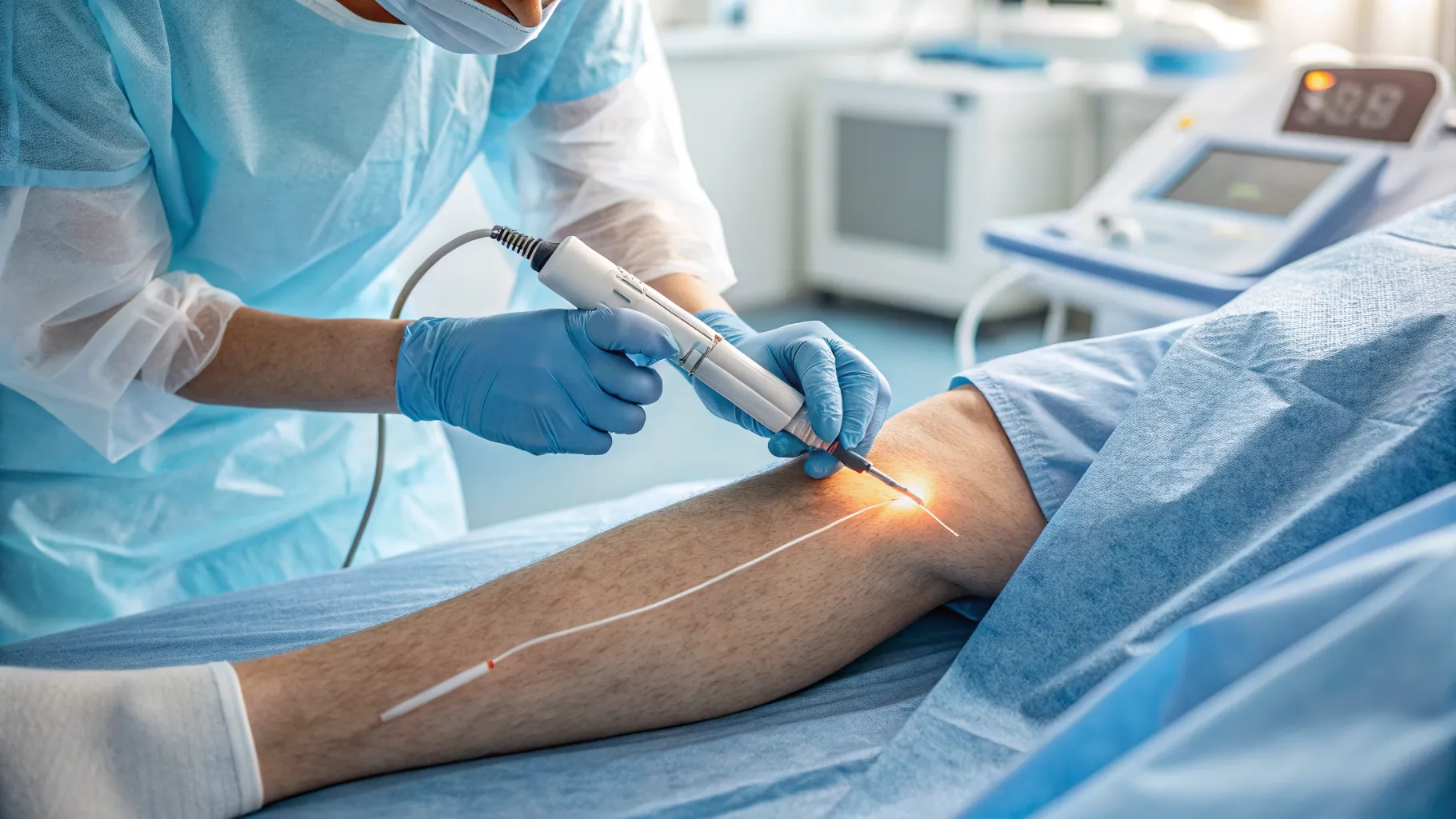
At its core, vein laser therapy operates on the principle of selective photothermolysis, a process where laser energy is absorbed by specific targets within the vein, leading to its controlled closure. This method has revolutionized the treatment of varicose veins, offering a precise and less invasive alternative to traditional surgical stripping. The laser energy, delivered through a thin fiber inserted directly into the affected vein, heats the vein walls, causing them to collapse and seal shut. Over time, the body naturally reabsorbs the treated vein, and blood is rerouted through healthy surrounding veins. This intricate process ensures that the underlying cause of venous insufficiency is addressed directly, leading to long-term relief.
Understanding Venous Insufficiency
Before delving deeper into the mechanics of laser treatment for varicose veins, it's essential to grasp the concept of venous insufficiency. This condition occurs when the one-way valves within the veins, responsible for pushing blood back towards the heart, become weakened or damaged. As a result, blood pools in the lower extremities, increasing pressure and causing the veins to enlarge and become tortuous, manifesting as varicose veins. Symptoms can range from aching and heaviness to swelling, itching, and skin discoloration. Effective varicose vein treatment, such as endovenous laser ablation, aims to eliminate the incompetent vein, thereby restoring proper blood flow dynamics and alleviating these debilitating symptoms.
The EVLA Procedure Explained
The endovenous laser ablation (EVLA) procedure is typically performed in an outpatient setting and involves several key steps. First, the area to be treated is thoroughly cleaned, and a local anesthetic is administered to ensure patient comfort throughout the process. Using ultrasound guidance, a tiny incision is made, and a thin laser fiber is threaded into the affected vein. The laser is then activated as the fiber is slowly withdrawn, emitting controlled energy that heats and seals the vein. This precise application of laser energy minimizes damage to surrounding tissues, making it a highly targeted and efficient form of vein laser therapy. Patients often experience minimal discomfort during and after the minimally invasive procedure, returning to normal activities relatively quickly.
Benefits and Advantages of Minimally Invasive Laser Procedures
Choosing laser treatment for varicose veins offers numerous benefits over more invasive surgical options. The primary advantage is its nature as a minimally invasive procedure, which translates to less pain, reduced scarring, and a significantly shorter recovery period. Unlike traditional vein stripping, which involves physically removing the vein, EVLA allows patients to resume most normal activities within a day or two. Furthermore, the success rates for endovenous laser ablation are exceptionally high, with studies consistently showing vein closure rates upwards of 95%. This high efficacy, combined with the aesthetic improvements and symptom relief, makes it a highly desirable varicose vein treatment option for individuals suffering from venous insufficiency.
Eligibility and Contraindications
While laser treatment for varicose veins is highly effective, it's not suitable for everyone. A thorough consultation with a vascular specialist is crucial to determine eligibility. Factors such as the size and location of the varicose veins, overall health, and medical history play a significant role. Generally, candidates for endovenous laser ablation are those with symptomatic varicose veins caused by saphenous vein reflux (venous insufficiency). Contraindications may include severe arterial disease, acute deep vein thrombosis, pregnancy, or inability to ambulate. Comprehensive diagnostic imaging, primarily ultrasound, will be performed to map the affected veins and confirm that vein laser therapy is the most appropriate course of action for the individual's specific condition.
Comparing Laser Treatment with Traditional Varicose Vein Interventions
Historically, the primary treatment for significant varicose veins was surgical ligation and stripping, a procedure that involved making incisions to tie off and physically remove the problematic vein. While effective, it was a more invasive surgery requiring general anesthesia, longer recovery times, and often resulted in more bruising and scarring. The advent of laser treatment for varicose veins, particularly endovenous laser ablation, marked a paradigm shift in vascular care. EVLA is performed under local anesthesia, requires only tiny punctures, and patients typically experience less post-operative pain and faster healing. Sclerotherapy, another common varicose vein treatment, involves injecting a solution into smaller veins to make them scar and close. While effective for smaller veins, it is generally less suited for larger, more tortuous varicose veins where vein laser therapy excels. The superior outcomes, lower complication rates, and enhanced patient comfort associated with this minimally invasive procedure have solidified its position as a preferred choice for treating significant venous insufficiency.
Preparing for and Recovering from Your Laser Vein Treatment
- Pre-Procedure Consultation and Diagnostics: Prior to undergoing laser treatment for varicose veins, a comprehensive consultation will assess your medical history and conduct an ultrasound examination. This crucial step maps the affected veins, identifies the source of venous insufficiency, and confirms your suitability for endovenous laser ablation. Your specialist will provide detailed instructions regarding medications to stop, food and drink restrictions, and what to expect on the day of your minimally invasive procedure.
- During the Procedure: On the day of your vein laser therapy, you will be comfortably positioned, and the treatment area will be thoroughly numbed with local anesthetic. The entire procedure typically lasts less than an hour per leg. You may feel some pressure or warmth, but significant pain is rare due to the local anesthesia.
- Immediate Post-Procedure Care: After the endovenous laser ablation, a compression stocking will be applied to the treated leg. You will be encouraged to walk immediately, as light activity helps to promote blood circulation and reduce the risk of complications. Avoid strenuous activities, heavy lifting, and prolonged standing for a few days following your laser treatment for varicose veins.
- Recovery and Follow-Up: Most patients experience mild bruising, soreness, or tightness along the treated vein, which typically resolves within a week or two. Over-the-counter pain relievers can manage any discomfort. A follow-up ultrasound examination is usually scheduled within a week to ensure the treated vein has successfully closed and that there are no concerns. Continued wear of compression stockings, as advised by your physician, is vital for optimal healing and preventing recurrence of venous insufficiency.
Frequently Asked Questions
Is laser treatment for varicose veins painful?
During the endovenous laser ablation procedure, local anesthesia is used to numb the area, so you should experience minimal to no pain. Some patients report feeling slight pressure or warmth. Post-procedure, mild discomfort, bruising, or tightness can occur but is generally manageable with over-the-counter pain medication and resolves within a few days. The pain associated with this minimally invasive procedure is significantly less than traditional surgical methods for varicose vein treatment.
How long is the recovery period after vein laser therapy?
One of the significant advantages of laser treatment for varicose veins is its rapid recovery time. Most patients can walk immediately after the procedure and resume normal, light activities within 1-2 days. Strenuous exercise should typically be avoided for about a week. Compression stockings are usually worn for a specified period, typically 1-2 weeks, to aid healing and reduce swelling. Full recovery from venous insufficiency treatment varies, but most individuals feel back to their usual selves within a couple of weeks.
Are the results of endovenous laser ablation permanent?
Endovenous laser ablation has a very high success rate in permanently closing the treated vein, often exceeding 95%. Once a vein is successfully closed by the laser treatment for varicose veins, it cannot reopen. However, it's important to understand that new varicose veins can develop in other areas over time, especially if there's a predisposition to venous insufficiency. Regular follow-up appointments and lifestyle adjustments can help manage and mitigate the risk of new vein issues. This minimally invasive procedure offers lasting relief for the specific treated veins.
References
- American Vein & Lymphatic Society (formerly American College of Phlebology) clinical guidelines.
- Journal of Vascular Surgery: Venous and Lymphatic Disorders - Articles on EVLA efficacy.
- National Institute for Health and Care Excellence (NICE) guidelines on varicose vein management.
- Peer-reviewed studies on long-term outcomes of endovenous thermal ablation for saphenous vein reflux.
Authored by MyTrendSpot team