Understanding the Cost of Remote Health Monitoring Systems
Remote health monitoring (RHM) systems have become an increasingly popular tool for managing health conditions, supporting independent living, and providing peace of mind for individuals and their caregivers. These systems leverage technology to collect and transmit health data from a patient's home to healthcare providers, allowing for continuous oversight without the need for frequent in-person visits. While the benefits are clear, understanding the financial implications of adopting such a system is crucial for anyone considering this option.
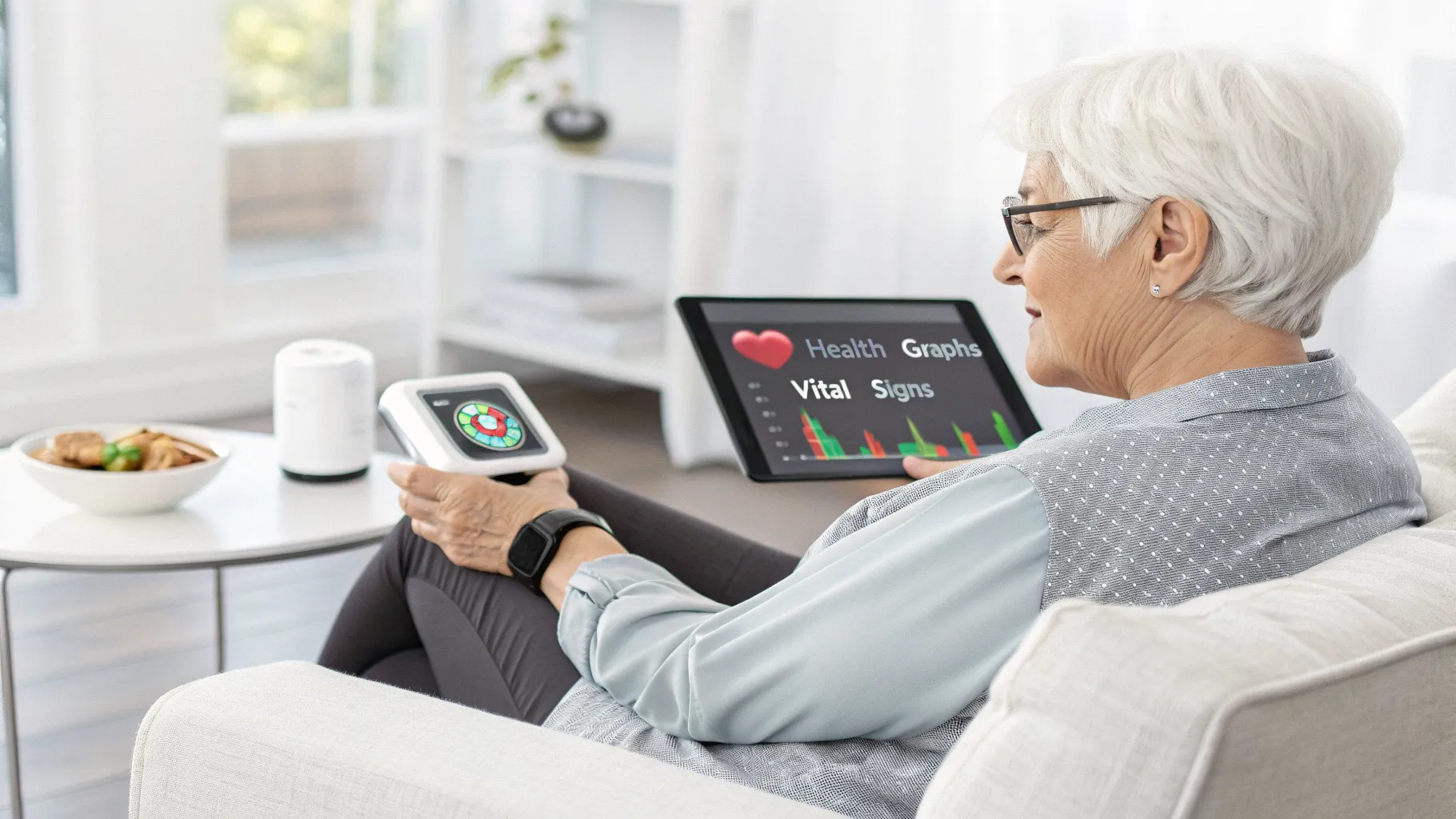
Understanding Remote Health Monitoring Systems
Remote health monitoring systems encompass a range of technologies designed to track various physiological parameters outside of traditional clinical settings. These can include devices for monitoring blood pressure, glucose levels, heart rate, oxygen saturation, and even activity levels or fall detection. The primary goal is to empower individuals to take a more active role in managing their health while providing healthcare professionals with timely and accurate data to make informed decisions.
The value of RHM extends beyond convenience. It can aid in early detection of worsening conditions, help manage chronic diseases more effectively, and reduce hospital readmissions. For many, it represents a significant step towards personalized and proactive healthcare. However, the diverse nature of these systems means that their complexity and, consequently, their cost can vary significantly.
Key Components and Their Influence on Cost
The overall cost of a remote health monitoring system is typically an aggregation of several key components. Understanding what these components are and how they contribute to the price helps in making an informed choice. Generally, systems are comprised of hardware, software, and services.
- Monitoring Devices: These are the physical sensors and wearables that collect health data. Examples include smart blood pressure cuffs, continuous glucose monitors, pulse oximeters, smart scales, and ECG devices. The type and number of devices needed will directly impact the initial hardware cost.
- Data Transmission Hub: Often, a central device or smartphone application is required to collect data from the monitoring devices and securely transmit it to a cloud platform or healthcare provider. This hub can be a dedicated unit provided by the system vendor or an application installed on a user's existing smartphone or tablet.
- Software Platform: This is the backend system where collected data is stored, analyzed, and presented to healthcare providers. It often includes features like alerts, trend analysis, and communication tools. The sophistication and features of this platform contribute to service fees.
Initial Investment: Device Costs and Hardware
The initial outlay for a remote health monitoring system primarily covers the cost of the hardware. This can range from relatively inexpensive standalone devices to comprehensive kits that include multiple sensors and a dedicated hub. Basic systems, such as a smart blood pressure monitor that pairs with a smartphone app, might cost anywhere from $50 to $200. More advanced setups, potentially including multiple biometric devices and a dedicated data hub, could range from $300 to $1,000 or more.
For some chronic conditions, specialized devices like continuous glucose monitors can have a higher upfront cost, though these are often covered by insurance for eligible individuals. It is important to consider the durability and longevity of the hardware, as replacing devices can add to the long-term cost. Some systems also offer rental options for hardware, which can reduce the initial barrier to entry but may incur higher monthly fees.
Ongoing Expenses: Subscriptions and Services
Beyond the initial hardware purchase, most remote health monitoring systems involve ongoing subscription fees. These fees typically cover access to the software platform, data storage, technical support, and the professional monitoring services provided by clinicians or care coordinators. These monthly costs can vary widely based on the level of service.
- Basic Subscriptions: These might include data management and access for the user and their designated caregivers, costing between $15 and $50 per month.
- Professional Monitoring: Systems that include active review of data by nurses or other healthcare professionals, emergency response services, or personalized coaching tend to be more expensive, potentially ranging from $50 to $200+ per month.
- Data Plans: If the system uses cellular data for transmission and does not rely on a home Wi-Fi network, a separate data plan might be included in the subscription or be an additional cost.
It is essential to thoroughly review what is included in any subscription package to understand the full scope of services and avoid unexpected charges.
Installation, Setup, and Training Considerations
While many modern remote health monitoring systems are designed to be user-friendly for self-installation, some individuals may require or prefer professional setup. This can be an additional cost to factor in. Simple systems might require just a few minutes to set up, involving pairing devices via Bluetooth and downloading an app. More complex setups, especially those integrated with home automation or requiring specific network configurations, could involve a service technician.
Training on how to use the devices and interpret the data is also an important, though often overlooked, aspect. Some providers include basic training in their service package, while others might offer optional, paid training sessions. Ensuring the user is comfortable and proficient with the system is vital for its effectiveness, making adequate training a valuable, if sometimes hidden, part of the overall cost.
Potential Financial Benefits and Long-Term Value
While remote health monitoring systems involve upfront and ongoing costs, they can also offer significant long-term financial benefits. By enabling proactive health management and early intervention, RHM can potentially reduce the frequency and cost of urgent care visits, emergency room admissions, and hospitalizations. For individuals with chronic conditions, this can translate into substantial savings on medical expenses over time.
Furthermore, RHM can contribute to improved quality of life and greater independence, which has an intangible but significant value. The ability to age in place or manage a condition from the comfort of home, rather than requiring facility care, can result in considerable savings on caregiving costs. When evaluating the cost of an RHM system, it is beneficial to consider not just the direct expenses but also the potential savings and health improvements it might facilitate.
Navigating Insurance and Reimbursement Options
The landscape of insurance coverage for remote health monitoring systems is continually evolving. In many regions, healthcare providers are increasingly recognizing the value of RHM and offering reimbursement for certain services. Medicare, for example, has expanded coverage for remote patient monitoring (RPM) services under specific CPT codes, allowing healthcare providers to bill for the setup of RPM equipment and for monitoring and interpretation of physiological data.
Private insurance plans also vary in their coverage. It is crucial to contact your insurance provider directly to understand what, if any, parts of a remote health monitoring system are covered. This can include coverage for specific devices, professional monitoring services, or even the initial setup fees. Patients should inquire about their specific health conditions and the types of RHM services that may be eligible for reimbursement to accurately assess their out-of-pocket expenses.
Authored by MyTrendSpot team