Understanding the Costs of Cholesterol Monitoring
Regular cholesterol monitoring is a cornerstone of preventive healthcare, helping individuals and their doctors assess cardiovascular risk and make informed decisions about lifestyle and treatment. While the health benefits are clear, the financial aspect of these tests is a common concern for many. Understanding the various components that contribute to the cost of cholesterol monitoring can help individuals navigate their healthcare choices more effectively.
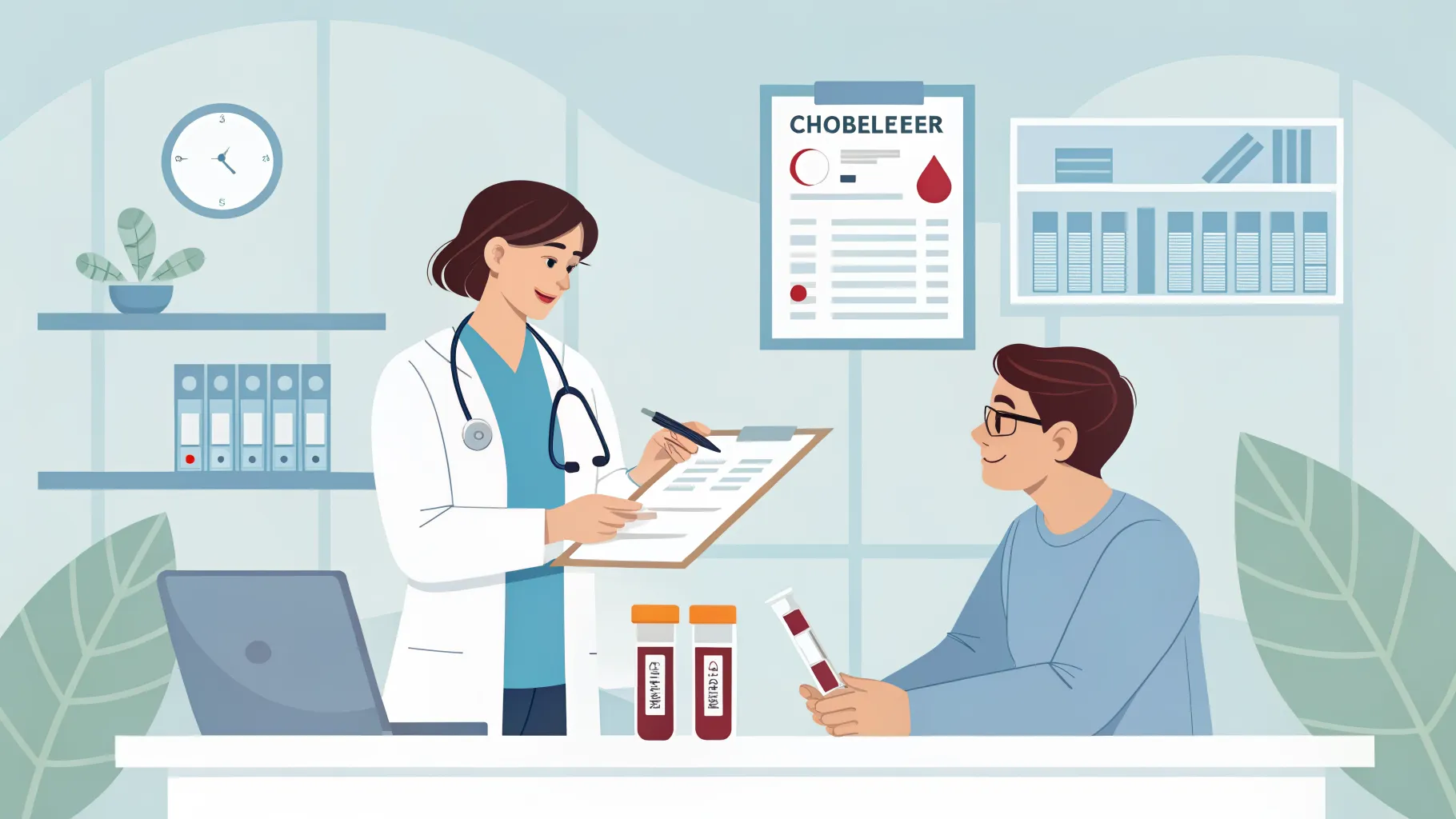
The Importance of Cholesterol Monitoring
Cholesterol is a waxy, fat-like substance found in all your body's cells. Your body needs cholesterol to make hormones, vitamin D, and substances that help you digest foods. However, too much cholesterol can be problematic. High levels of LDL (low-density lipoprotein) cholesterol, often referred to as 'bad' cholesterol, can lead to plaque buildup in your arteries, increasing your risk of heart disease and stroke.
Conversely, HDL (high-density lipoprotein) cholesterol, or 'good' cholesterol, helps remove excess cholesterol from your arteries. Regular monitoring allows healthcare providers to track these levels and identify potential risks before they lead to serious health issues. Early detection means earlier intervention, which can significantly improve long-term health outcomes.
What a Cholesterol Test Involves
A standard cholesterol test, often called a lipid panel or lipid profile, measures several components in your blood. These typically include total cholesterol, LDL cholesterol, HDL cholesterol, and triglycerides, another type of fat in the blood. The test usually requires fasting for 9-12 hours before the blood draw, though some newer tests may not require it.
The procedure itself is simple: a healthcare professional will draw a small blood sample, usually from a vein in your arm. This sample is then sent to a laboratory for analysis. The results provide a comprehensive snapshot of your lipid levels, which your doctor will interpret in the context of your overall health, age, family history, and other risk factors.
Factors Influencing Monitoring Costs
The cost of cholesterol monitoring can vary significantly based on several key factors. Insurance coverage plays a major role, as most health insurance plans cover preventive screenings, including cholesterol tests, often without a copay or deductible if performed as part of an annual wellness exam. However, if the test is ordered due to existing health conditions or symptoms, it might fall under diagnostic care, potentially incurring different costs based on your plan's terms.
Beyond insurance, the specific healthcare provider and location can impact the price. Costs might differ between hospitals, independent clinics, urgent care centers, or community health facilities. Geographic location within a country can also lead to price variations, with tests in urban areas or regions with higher living costs sometimes being more expensive than those in rural or less costly areas.
Average Costs Without Insurance
For individuals without health insurance or those whose plans do not fully cover the test, cholesterol monitoring costs can range widely. A basic lipid panel can typically cost anywhere from $20 to $200. This range reflects variations in lab fees, administrative charges, and the provider's pricing structure.
Here's a general breakdown of what a lipid panel usually includes, and how individual components might contribute to the overall cost:
- Total Cholesterol: Measures all cholesterol in your blood.
- LDL Cholesterol: The 'bad' cholesterol that contributes to plaque buildup.
- HDL Cholesterol: The 'good' cholesterol that helps remove excess cholesterol.
- Triglycerides: Another type of fat in the blood; high levels can increase heart disease risk.
While some labs might offer individual tests, a complete lipid panel is almost always recommended for a comprehensive assessment.
Strategies to Reduce Costs
There are several ways to potentially reduce the cost of cholesterol monitoring. One effective strategy is to utilize preventive care benefits provided by health insurance plans. Many plans cover annual wellness visits, which often include a lipid panel, with little to no out-of-pocket expense.
For those without insurance or with high deductibles, community health clinics and public health departments often offer low-cost or free screenings as part of their outreach programs. Direct-to-consumer lab services can also provide more affordable options by allowing individuals to order tests directly without a doctor's visit, though it's crucial to discuss these results with a healthcare professional afterwards for proper interpretation and guidance.
Frequency and Long-Term Considerations
The frequency of cholesterol monitoring depends on individual risk factors, age, and existing health conditions. For most healthy adults, a cholesterol test is recommended every four to six years. However, if you have risk factors for heart disease, such as a family history of high cholesterol, diabetes, high blood pressure, or a history of smoking, your doctor may recommend more frequent testing, possibly every year or two.
While the immediate cost of a single test might seem manageable, ongoing monitoring over many years can add up. Therefore, understanding your insurance coverage and exploring cost-saving options becomes even more important for long-term health management. Investing in preventive health now can also help avoid much larger costs associated with treating advanced cardiovascular disease in the future.
Beyond the Price Tag: The Value of Monitoring
While cost is a legitimate consideration, the true value of cholesterol monitoring extends far beyond its price tag. These tests provide vital information that can empower individuals to make crucial lifestyle changes, such as modifying diet, increasing physical activity, and quitting smoking. They also guide healthcare providers in prescribing necessary medications or other interventions to manage cholesterol levels effectively.
Ultimately, regular cholesterol monitoring is an investment in your long-term health and well-being. By staying informed about your lipid levels and working with your doctor, you can take proactive steps to reduce your risk of serious cardiovascular events, leading to a healthier and potentially longer life. The preventative benefits and peace of mind often outweigh the financial outlay.
Authored by MyTrendSpot team