Unlock Restful Nights: Discover Effective Sleep Improvement Tools
Facts:
- Lack of sleep affects cognitive function significantly.
- Sleep tracking devices market trend for individuals seeking better sleep.
Understanding the Landscape of Effective Sleep Improvement Tools
In today's fast-paced world, achieving consistent, high-quality sleep has become a significant challenge for many. The quest for restful nights often leads individuals to explore various effective sleep improvement tools and strategies. From advanced wearable technology to time-tested behavioral adjustments, the market offers a diverse range of solutions aimed at enhancing one's sleep hygiene. This comprehensive guide delves into the most impactful tools and techniques available, providing insights into how each can contribute to a more restorative sleep experience. We will explore everything from sophisticated sleep tracking devices to practical relaxation methods that can transform your nightly routine and improve your overall well-being.
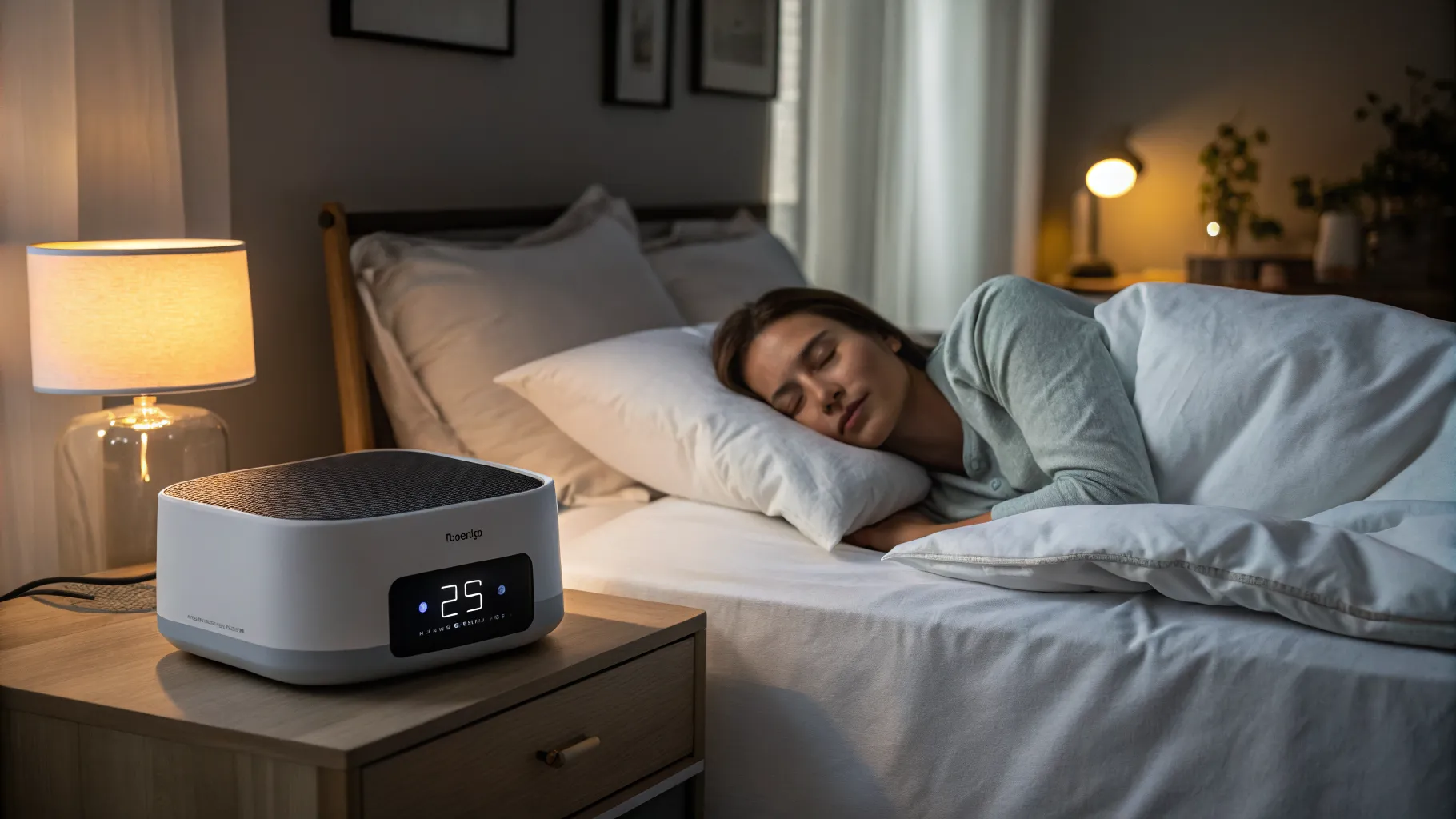
The Core Pillars of Enhanced Sleep
Embracing Advanced Sleep Tracking Devices
Modern technology has revolutionized the way we understand our sleep patterns through the advent of sophisticated sleep tracking devices. These include smartwatches, rings, and under-mattress sensors that collect data on sleep duration, sleep stages (REM, light, deep), heart rate, and even breathing patterns. By providing personalized insights, these tools empower individuals to identify habits that may be hindering their rest. Understanding your unique sleep architecture allows for targeted interventions, making these devices invaluable components of any strategy focused on effective sleep improvement tools. They move beyond mere awareness, offering actionable data that can guide lifestyle changes and refine your bedtime routine.
Cultivating Superior Sleep Hygiene Practices
At the foundation of restorative sleep lies excellent sleep hygiene. This encompasses a set of practices essential for promoting consistent, uninterrupted sleep. Establishing a regular sleep schedule, even on weekends, helps regulate your body's circadian rhythm. Optimizing your bedroom environment by ensuring it is dark, quiet, and cool creates an ideal sanctuary for rest. Furthermore, avoiding stimulants like caffeine and alcohol close to bedtime, and limiting screen time from electronic devices, are critical components. Implementing these fundamental sleep hygiene principles can dramatically improve sleep quality, often serving as the first and most crucial step in utilizing effective sleep improvement tools.
Harnessing the Power of Relaxation Techniques
Anxiety and stress are major culprits behind sleepless nights. Incorporating effective relaxation techniques into your pre-sleep routine can significantly mitigate these issues. Practices such as deep breathing exercises, progressive muscle relaxation, meditation, and gentle yoga help to calm the nervous system and prepare the mind and body for sleep. These techniques promote a state of tranquility, reducing the racing thoughts that often prevent falling asleep. By consistently practicing these methods, individuals can create a mental and physical buffer against daily stressors, making them highly valuable as effective sleep improvement tools that don't rely on external devices or substances.
Exploring Cognitive Behavioral Therapy for Insomnia (CBT-I)
For individuals struggling with chronic insomnia, Cognitive Behavioral Therapy for Insomnia (CBT-I) is widely recognized as the gold standard non-pharmacological treatment. This structured program addresses the thoughts, feelings, and behaviors that interfere with sleep. It typically involves components like sleep restriction therapy, stimulus control, and cognitive restructuring to challenge unhelpful beliefs about sleep. CBT-I is a highly effective, long-lasting solution, teaching patients sustainable strategies to improve their sleep without reliance on medication. Its comprehensive approach makes it one of the most powerful effective sleep improvement tools available, fundamentally altering one's relationship with sleep.
The Role of Melatonin Supplements and Other Aids
While behavioral changes and environmental adjustments are primary, certain supplements can act as auxiliary effective sleep improvement tools. Melatonin, a hormone naturally produced by the body, helps regulate the sleep-wake cycle. Melatonin supplements can be beneficial for short-term issues like jet lag or shift work sleep disorder, but it's crucial to use them judiciously and under professional guidance. Other natural aids like magnesium, valerian root, or chamomile are also explored by many, though their efficacy can vary. It is always recommended to consult with a healthcare provider before starting any supplement regimen to ensure safety and appropriateness as part of your sleep improvement strategy.
Comparing Modern Sleep Improvement Tools
When evaluating the vast array of effective sleep improvement tools, it's beneficial to consider their strengths and how they can complement each other. Wearable sleep tracking devices offer objective data, which can be a powerful motivator for change, but they don't directly induce sleep. Behavioral therapies like CBT-I provide sustainable, long-term solutions by addressing underlying causes, but require commitment and effort. Environmental adjustments (part of sleep hygiene) create the optimal setting. Relaxation techniques manage pre-sleep anxiety. Each tool serves a unique purpose, and the most effective strategy often involves a synergistic combination. For instance, using a sleep tracker to monitor progress while simultaneously practicing improved sleep hygiene and daily relaxation can lead to superior outcomes than relying on any single tool alone.
Actionable Strategies for Lasting Sleep Improvement
- Establish a Consistent Sleep Schedule: Go to bed and wake up at roughly the same time every day, even on weekends. This reinforces your body's sleep-wake cycle and can significantly improve the quality of your sleep, making it a foundational practice among all effective sleep improvement tools. Consistency is key to regulating your internal clock.
- Optimize Your Bedroom Environment: Ensure your bedroom is dark, quiet, and cool (ideally between 60-67°F or 15-19°C). Block out light with blackout curtains, minimize noise with earplugs or a white noise machine, and maintain a comfortable temperature. A conducive environment is vital for maintaining good sleep hygiene.
- Incorporate Daily Physical Activity: Regular exercise can deeply enhance sleep quality, but timing is important. Aim for moderate to vigorous exercise earlier in the day and avoid strenuous workouts close to bedtime, as this can be too stimulating. Physical activity is a natural aid to more restful sleep.
- Mind Your Diet and Evening Habits: Limit caffeine and alcohol, especially in the afternoon and evening, as they can disrupt sleep cycles. Avoid heavy, rich meals within a few hours of bedtime. Instead, opt for lighter snacks if needed. Proper nutrition and smart evening choices support better sleep.
- Implement Pre-Sleep Relaxation Techniques: Develop a relaxing bedtime routine to signal to your body that it's time to wind down. This could include a warm bath, reading a book, listening to calming music, or practicing mindfulness meditation. These relaxation techniques help transition your mind and body into a sleep-ready state.
Frequently Asked Questions
What are the most effective sleep improvement tools?
The most effective tools often combine technological aids like sleep tracking devices with behavioral strategies such as improved sleep hygiene and practicing relaxation techniques. For chronic issues, Cognitive Behavioral Therapy for Insomnia (CBT-I) is highly recommended as a comprehensive approach.
How can sleep hygiene improve my sleep quality?
Adopting robust sleep hygiene practices, such as maintaining a consistent sleep schedule, ensuring a dark and quiet bedroom, and avoiding stimulants before bed, significantly regulates your body's natural sleep-wake cycle, leading to deeper and more restorative sleep.
Are melatonin supplements safe for long-term use?
While melatonin supplements can be helpful for short-term sleep disturbances or jet lag, their long-term use is not universally recommended without professional medical advice. It's crucial to discuss dosage and duration with a healthcare provider to avoid potential side effects or dependency.
Can sleep tracking devices truly help in improving sleep?
Yes, sleep tracking devices provide valuable data on your sleep patterns, including sleep duration, wake-ups, and sleep stages. This data can help you identify trends and make informed adjustments to your lifestyle and sleep habits, thereby acting as a powerful component of effective sleep improvement tools.
References
- National Sleep Foundation. (Year). Sleep Health Topics.
- American Academy of Sleep Medicine. (Year). Clinical Practice Guidelines.
- Journal of Clinical Sleep Medicine. (Year). Various research articles on sleep disorders and therapies.
Authored by MyTrendSpot team