Smart Savings: Unearthing the Best Used Industrial Tool Deals
Fast Facts:
- Market for pre-owned equipment is growing rapidly.
- Sustainability drives demand for second-hand tools for industrial sectors.
Navigating the Market for Premium Used Industrial Tool Deals
In today's dynamic industrial landscape, businesses are constantly seeking strategic ways to optimize operational costs without compromising productivity or quality. Investing in used industrial tools presents a compelling solution, offering significant cost savings, faster acquisition times, and a reduced environmental footprint. This approach allows companies to expand their capabilities, replace aging equipment, or start new ventures with a lower initial capital outlay, making industrial equipment deals an increasingly attractive option for savvy investors and operational managers alike. The meticulous evaluation and acquisition of these assets can truly transform a company’s financial health and operational agility, enabling greater flexibility in resource allocation and strategic planning.
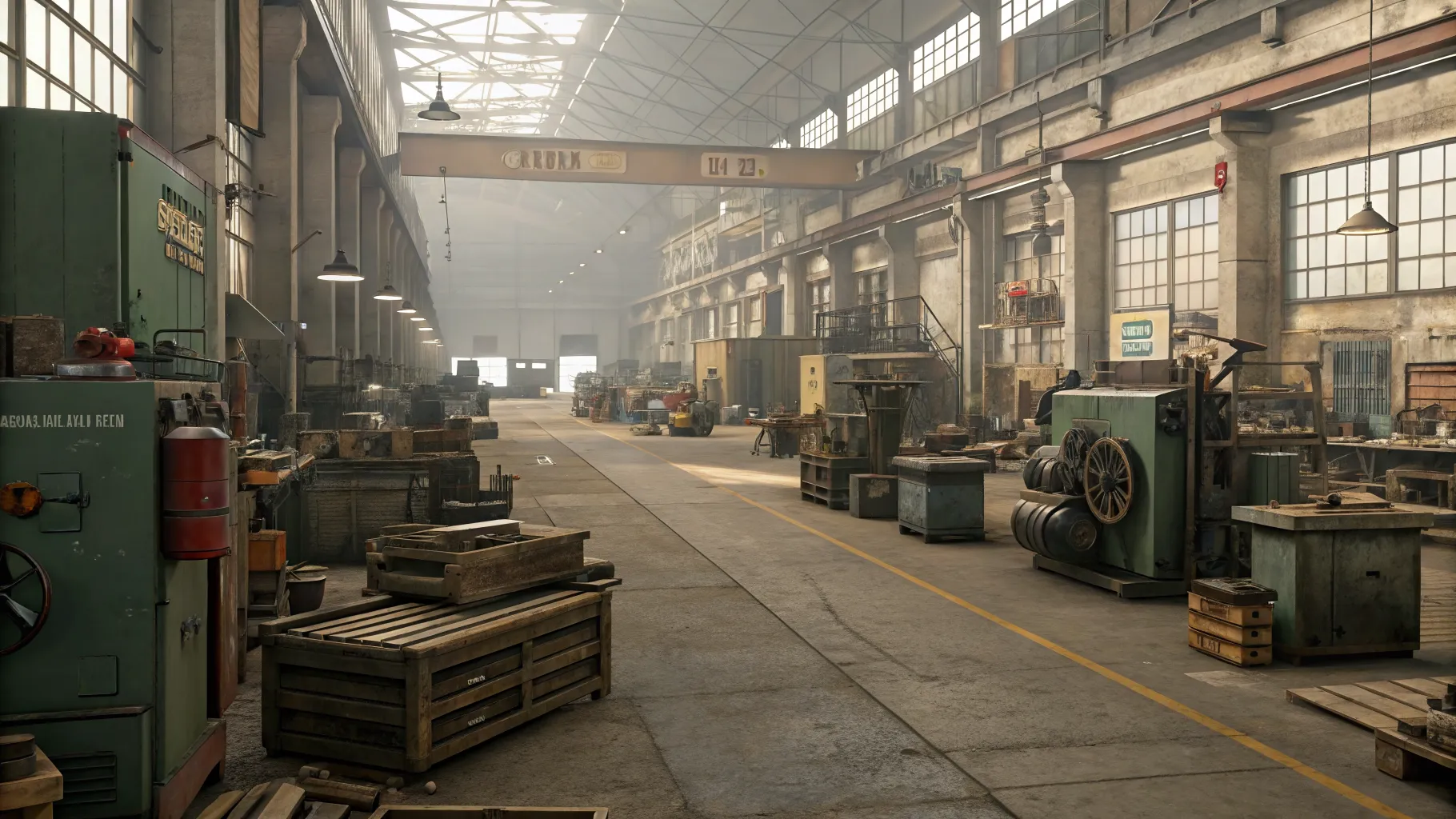
Advantages of Opting for Second-Hand Industrial Tools
The decision to purchase refurbished machinery or used industrial tools extends beyond mere cost reduction; it encompasses a range of benefits that can profoundly impact a business's long-term viability and operational efficiency. One of the primary advantages is the substantial capital savings, which can be reinvested into other critical areas of the business, such as research and development, employee training, or market expansion. Furthermore, acquiring pre-owned equipment often means quicker availability, bypassing the extended lead times associated with new machinery orders, thus allowing for immediate project commencement or operational scaling. Environmentally, choosing second-hand tools contributes to a circular economy, reducing waste and the demand for new resource extraction, aligning with growing corporate sustainability goals. These cumulative benefits make exploring industrial equipment deals a prudent business strategy.
Economic Benefits and Cost Efficiency
The financial leverage gained through purchasing used industrial tools is often the most significant driver for businesses. New equipment depreciates rapidly, much like a new car leaving the lot. By opting for a quality used alternative, businesses can acquire high-performance machinery at a fraction of the original cost, often achieving a better return on their equipment investment. This cost efficiency is crucial for startups or companies operating on tight budgets, allowing them to acquire robust capabilities without the prohibitive upfront expenditure. Moreover, a lower initial investment can lead to faster break-even points on projects, enhancing overall profitability.
Sustainability and Environmental Impact
Beyond the immediate financial gains, the environmental benefits of choosing refurbished machinery are increasingly recognized. Every piece of equipment that is reused or repurposed avoids the energy-intensive manufacturing process of a new unit, reducing carbon emissions and minimizing the consumption of raw materials. This practice supports global sustainability initiatives and allows companies to showcase their commitment to environmentally responsible operations. As consumers and regulators increasingly prioritize green practices, businesses that integrate second-hand tools into their operations can gain a competitive edge and improve their corporate social responsibility profile.
Crucial Considerations When Investing in Refurbished Machinery
While the allure of cost savings from used industrial tool deals is strong, a thoughtful and thorough evaluation process is paramount to ensure the acquired assets meet operational demands and safety standards. Rushing into a purchase without due diligence can lead to unexpected maintenance costs, downtime, and even safety hazards. Prospective buyers must conduct comprehensive inspections, verify the equipment’s history, and understand the terms of sale, including warranties and support options. This proactive approach mitigates risks and ensures that the equipment investment truly adds value.
Thorough Inspection and Performance Verification
Before finalizing any purchase of used industrial tools, a rigorous inspection is non-negotiable. This should involve a hands-on assessment by a qualified technician who can identify signs of wear and tear, potential mechanical issues, or components nearing the end of their lifespan. Beyond visual checks, it is crucial to test the machinery under operational conditions to verify its performance, accuracy, and overall functionality. Requesting maintenance records and service history can also provide invaluable insights into how well the equipment has been cared for and predict future maintenance needs. A comprehensive inspection ensures that the refurbished machinery is fit for purpose and will perform reliably.
Seller Reputation and After-Sales Support
The credibility of the seller plays a significant role in the successful acquisition of second-hand tools. Reputable dealers often provide more transparent information, offer limited warranties, and may even provide after-sales support or connect you with service providers. Investigating the seller's history, reading testimonials, and checking industry affiliations can help ascertain their reliability. A trustworthy seller is more likely to provide accurate descriptions of the equipment's condition and history, reducing the risk of unforeseen issues. Building a relationship with a reliable supplier of industrial equipment deals can also prove beneficial for future acquisitions.
Maximizing Returns on Your Industrial Equipment Investment
Achieving the best possible return on an equipment investment in used industrial tools requires more than just a good deal; it demands strategic planning, careful integration, and ongoing maintenance. While new versus used equipment often presents a stark initial cost difference, the long-term total cost of ownership (TCO) is a critical metric. For example, a new CNC machine might cost three times as much as a well-maintained refurbished machinery counterpart. However, if the used machine requires frequent, expensive repairs due to neglected maintenance, its TCO could quickly escalate. Conversely, a high-quality second-hand tool, acquired at a significant discount, that integrates seamlessly into operations and receives proper care can deliver superior performance and extend its operational life, leading to substantial savings over many years. This careful balance ensures that the initial savings from used industrial tool deals translate into sustained economic benefit.
Practical Advice for Acquiring Quality Used Industrial Tools
Making a successful equipment investment in the market for used industrial tool deals requires a strategic and informed approach. By following a structured process, businesses can mitigate risks and ensure they acquire assets that contribute positively to their operations and bottom line.
- Define Your Needs Clearly: Before you even start looking for second-hand tools, thoroughly assess your operational requirements. What specific tasks will the machine perform? What capacity, precision, and features are non-negotiable? Having a clear understanding of your needs will help narrow down your search and prevent impulse purchases.
- Set a Realistic Budget: Factor in not just the purchase price but also potential shipping, installation, and initial maintenance costs. A comprehensive budget will prevent overspending and ensure your equipment investment remains financially sound.
- Consult Industry Experts: If you're unsure about the technical aspects of specific refurbished machinery, engage an independent expert or a trusted technician. Their insights can be invaluable in evaluating condition, predicting future performance, and advising on fair market value.
- Explore Various Sourcing Channels: Look beyond single-vendor websites. Reputable auctions, industrial liquidators, specialized equipment brokers, and online marketplaces dedicated to used industrial tools can offer diverse options and competitive pricing.
- Negotiate Wisely: Don't hesitate to negotiate on price, especially if you identify minor issues during inspection. Being prepared with market knowledge and compelling arguments can lead to even better industrial equipment deals.
- Prioritize Safety Features: Always ensure that any used industrial tools you consider meet current safety standards and regulations. The cost of upgrading outdated safety features can quickly negate any initial savings.
- Plan for Logistics: Consider the logistics of transporting and installing large or complex machinery. Secure reliable movers and ensure your facility is prepared to receive and integrate the new-to-you equipment seamlessly.
Frequently Asked Questions
What are the primary benefits of buying used industrial tools?
The primary benefits include significant cost savings, faster acquisition and deployment compared to new equipment, and a reduced environmental impact due to the reuse of existing resources. These advantages make used industrial tool deals attractive for budget-conscious and sustainability-focused businesses.
How can I ensure the quality of refurbished machinery?
To ensure quality, conduct thorough inspections by qualified technicians, request comprehensive maintenance records, and test the equipment under operational conditions. Researching the seller's reputation and seeking warranties for refurbished machinery are also crucial steps.
What should I look for when inspecting second-hand tools?
When inspecting second-hand tools, look for signs of excessive wear, corrosion, structural damage, and evidence of previous repairs. Verify the functionality of all moving parts, safety features, and control systems. Pay close attention to critical components and their condition.
Are there specific industries where used industrial tools are more common?
Used industrial tools are common across many sectors, including manufacturing, construction, fabrication, automotive, and woodworking. Any industry requiring specialized or heavy machinery often benefits from exploring industrial equipment deals to manage costs.
Can I get a warranty on used industrial tools?
While not always standard, some reputable dealers or sellers offer limited warranties on refurbished machinery, particularly for higher-value items. It's always advisable to inquire about warranty options as part of your negotiation for used industrial tool deals.
References
- Industrial Equipment Market Analysis Reports
- Journals on Sustainable Manufacturing Practices
- Economic Studies on Capital Expenditure in SMEs
- Technical Handbooks for Machinery Valuation
- Best Practices for Industrial Asset Management
Authored by MyTrendSpot team