Finding Value: Your Comprehensive Guide to Used Industrial Tools for Sale
Facts:
- The global market for used industrial equipment is projected to grow significantly.
- Sustainability initiatives are driving increased demand for second-hand industrial equipment.
Navigating the Market for High-Quality Used Industrial Tools for Sale
In today's competitive manufacturing and production landscape, the acquisition of reliable machinery is crucial for operational success. However, the cost of new equipment can be a substantial barrier, especially for expanding businesses or those on a tight budget. This is where the thriving market for used industrial tools comes into play, offering a compelling alternative that combines economic viability with proven performance. Investing in pre-owned machinery can unlock significant cost savings, allowing businesses to allocate resources more strategically while still accessing the robust capabilities required for their operations. Understanding this dynamic industrial tool market is essential for making informed purchasing decisions that benefit your bottom line and operational efficiency without compromising on quality or functionality. The strategic procurement of used industrial tools has become a cornerstone for many enterprises looking for smart growth and sustainable practices.
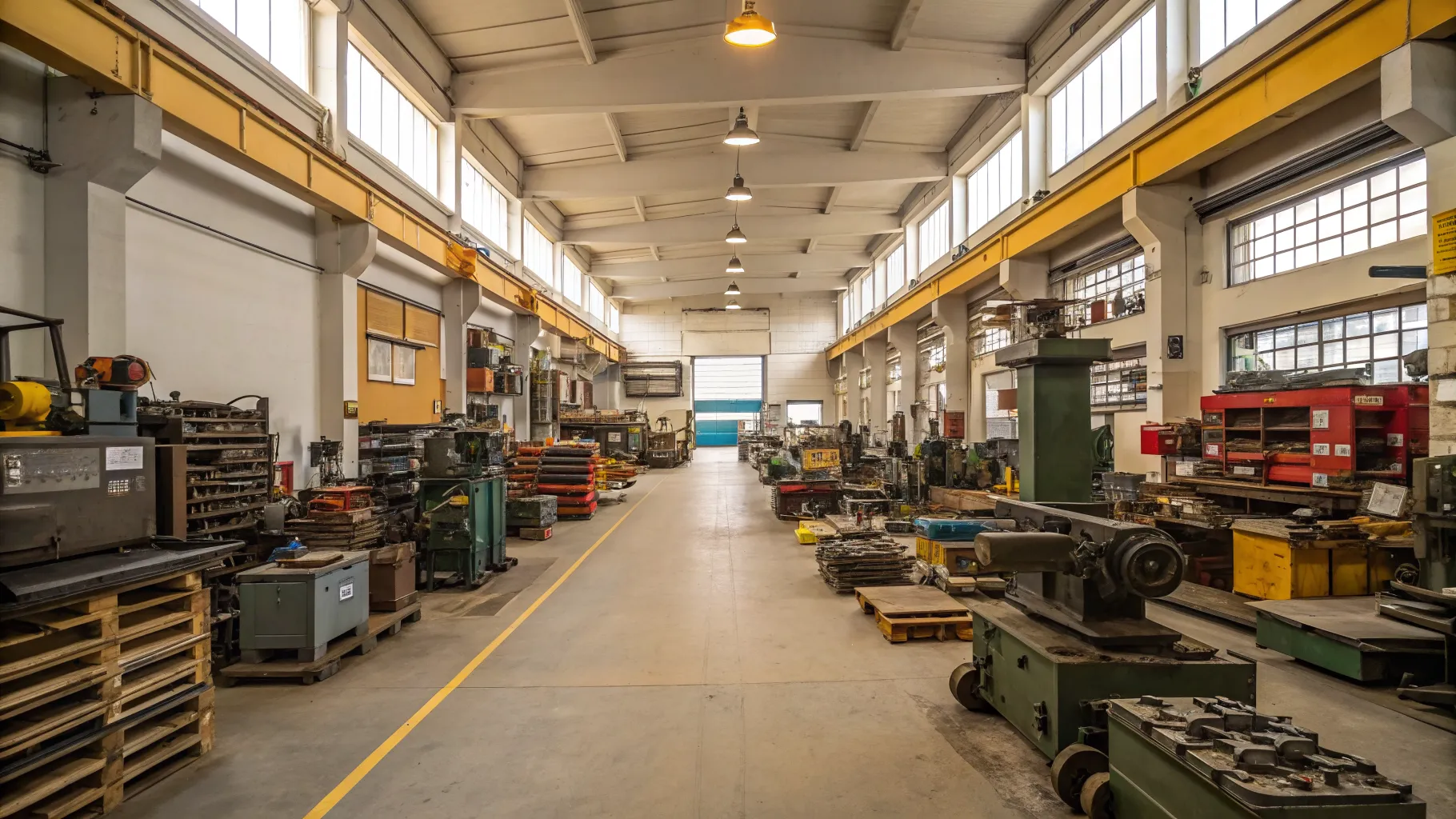
The Benefits of Investing in Second-Hand Industrial Equipment
Opting for second-hand industrial equipment presents a multitude of advantages beyond mere cost reduction. Businesses can often acquire higher-grade or more specialized industrial machinery that might otherwise be out of reach financially when purchased new. This strategic approach allows for immediate upgrades to production capabilities without the extended lead times associated with new manufacturing orders. The availability of used equipment also fosters a more agile response to market demands, enabling companies to scale operations or adapt to new projects rapidly. Furthermore, purchasing pre-owned machinery contributes to a circular economy, extending the life cycle of valuable assets and reducing the overall environmental footprint of industrial activities, aligning with modern corporate responsibility goals. The inherent value retention of certain types of used industrial tools also makes them a smart asset acquisition.
Cost Efficiency and Budget Optimization with Used Equipment
One of the most immediate and impactful benefits of seeking out used industrial tools for sale is the dramatic reduction in capital expenditure. New equipment often comes with a premium price tag, factoring in manufacturing costs, branding, and distribution. By contrast, the depreciation curve for second-hand industrial equipment means that buyers can often acquire fully functional assets at a fraction of their original cost. This allows businesses to stretch their budget further, perhaps even acquiring multiple pieces of industrial machinery for the price of one new unit. These cost-effective solutions free up capital that can be reinvested into other critical areas of the business, such as R&D, marketing, or workforce training, thereby fostering overall growth and innovation. The smart allocation of funds through judicious tool acquisition is a cornerstone of fiscal responsibility.
Immediate Availability and Operational Readiness
Unlike new equipment, which can involve significant waiting periods for manufacturing, shipping, and installation, used industrial tools are typically available for immediate purchase and deployment. This prompt availability is a critical advantage for businesses facing tight deadlines, unexpected breakdowns, or rapid expansion needs. The ability to quickly integrate pre-owned machinery into existing workflows minimizes downtime and ensures that production schedules remain uninterrupted. This operational readiness translates directly into sustained productivity and reduced revenue loss, making the industrial tool market an invaluable resource for agile operations. When time is money, the ready accessibility of used equipment is an undeniable asset for any manufacturing or processing plant.
Key Considerations When Buying Used Industrial Tools
While the benefits of purchasing used industrial tools are clear, it is imperative to approach the acquisition process with a keen eye and thorough due diligence. The long-term performance and safety of any second-hand industrial equipment depend heavily on its condition, history, and the reliability of the seller. Prospective buyers must prioritize comprehensive evaluations to avoid unforeseen costs and operational disruptions down the line. A robust quality inspection process is non-negotiable, alongside a clear understanding of the machine's maintenance records and operational environment. Taking the time to properly assess each potential piece of pre-owned machinery will safeguard your investment and ensure that the equipment meets your specific operational standards and safety requirements, securing genuinely cost-effective solutions.
Thorough Inspection and Maintenance Records for Pre-Owned Machinery
Before committing to any purchase, a meticulous inspection of the used industrial tools is absolutely essential. This should involve both a visual assessment for signs of wear, damage, or neglect, and a functional test where possible. Buyers should examine critical components, check for fluid leaks, inspect electrical systems, and verify the accuracy of moving parts. Requesting comprehensive maintenance records is equally important, as these documents provide a historical overview of the equipment's upkeep, repairs, and any major overhauls. A well-maintained piece of second-hand industrial equipment is far more likely to offer reliable service. A detailed understanding of the machine's operational history is key to gauging its remaining useful life and preventing costly future repairs. This thoroughness in quality inspection minimizes risks.
Reputable Sellers and Warranty Options in the Industrial Tool Market
The source of your used industrial tools significantly impacts the reliability and transparency of the transaction. Engaging with reputable dealers or brokers in the industrial tool market often provides a layer of assurance. These sellers typically have established reputations, conduct their own inspections, and may even offer limited warranties or guarantees on the pre-owned machinery they sell. While private sales might offer lower prices, they often come with higher risks due to a lack of recourse if issues arise post-purchase. Always inquire about any available warranties, return policies, or after-sales support. A trustworthy seller will be transparent about the equipment's condition and history, fostering confidence in your equipment resale purchase and contributing to truly cost-effective solutions.
Popular Categories of Used Industrial Tools for Sale
The vast spectrum of used industrial tools for sale caters to nearly every industry, from manufacturing and construction to specialized workshops and laboratories. This diverse industrial tool market offers opportunities to acquire everything from heavy-duty fabrication equipment to precision instruments, all at competitive prices. Understanding the different categories available can help buyers narrow down their search and identify the most relevant second-hand industrial equipment for their specific needs. Whether you are outfitting a new facility, expanding an existing one, or simply replacing outdated machinery, there is a robust selection of pre-owned machinery waiting to be discovered. The breadth of the equipment resale market ensures that businesses can find suitable and cost-effective solutions for almost any operational requirement.
Metalworking and Fabrication Equipment
This category is consistently one of the most sought-after segments in the used industrial tools market. It includes a wide array of machines essential for shaping, cutting, and joining metal. Common items found among used industrial tools for sale include lathes, milling machines, drill presses, press brakes, shears, and welding equipment. Acquiring these large and often expensive pieces of industrial machinery second-hand can lead to significant savings, making high-precision capabilities accessible to more businesses. The longevity and robust construction of many metalworking tools mean that even older models can deliver excellent performance with proper maintenance. These crucial items are a prime example of where pre-owned machinery truly offers value.
Woodworking Machinery and Tools
For industries involved in timber processing, furniture manufacturing, or custom cabinetry, the availability of second-hand industrial equipment for woodworking is a boon. This segment includes band saws, table saws, planers, jointers, sanders, routers, and CNC woodworking machines. Many woodworking facilities frequently upgrade their equipment, leading to a steady supply of well-maintained used equipment entering the market. Buyers can find high-quality, professional-grade woodworking tools that offer precision and durability without the hefty price tag of new models, thereby facilitating cost-effective solutions for their production needs through astute tool acquisition strategies.
Material Handling and Lifting Equipment
Efficient movement and handling of materials are vital for productivity in warehouses, factories, and logistics centers. The industrial tool market for material handling equipment includes forklifts, pallet jacks, cranes, hoists, conveyor systems, and various lifting accessories. These items are often subject to rigorous maintenance schedules during their primary use, making them excellent candidates for equipment resale. Investing in used industrial tools for material handling can drastically improve operational efficiency and safety at a lower initial outlay, providing crucial support for supply chain operations and overall logistics management, demonstrating the diverse utility of pre-owned machinery.
Maximizing Your Return on Investment with Equipment Resale
The intelligent acquisition of used industrial tools is not just about initial savings; it's also about strategic long-term planning and the potential for future asset recovery. When you purchase second-hand industrial equipment wisely, considering its condition, demand, and potential for refurbishment, you are investing in assets that can retain significant value. This means that if your operational needs change, or if you decide to upgrade in the future, your pre-owned machinery can be resold, recouping a portion of your original investment. Effective equipment resale strategies involve keeping accurate maintenance records, ensuring proper storage, and understanding market demand for specific types of industrial machinery. By treating used industrial tools as valuable assets throughout their lifecycle, businesses can truly maximize their return on investment and maintain flexible capital. This foresight transforms typical expenditure into an asset management opportunity, creating truly cost-effective solutions in the long run.
Essential Steps for a Successful Used Tool Acquisition
- Define Your Needs Clearly: Before diving into the market for used industrial tools for sale, precisely identify the type of equipment, specifications, and capabilities required for your operations. Consider future growth and potential applications to ensure the pre-owned machinery will meet long-term demands. This initial step is critical for a targeted and efficient tool acquisition.
- Set a Realistic Budget: Determine your maximum spending limit, including potential costs for shipping, installation, refurbishment, and any necessary accessories. Remember that used equipment often provides substantial savings, but don't overlook ancillary expenses to achieve genuinely cost-effective solutions.
- Research Reputable Sellers and Platforms: Seek out established dealers, online marketplaces specializing in second-hand industrial equipment, or auction houses with a track record of transparent dealings. Reviews and testimonials can offer insights into seller reliability within the industrial tool market.
- Conduct Thorough Inspections and Due Diligence: Arrange for a physical inspection of the used industrial tools whenever possible. Verify maintenance records, check for operational faults, and assess the overall condition to ensure a proper quality inspection. If you can't inspect in person, request detailed photos, videos, and professional reports.
- Negotiate and Formalize the Purchase: Don't hesitate to negotiate the price. Once an agreement is reached, ensure all terms, conditions, warranties (if any), and delivery details are clearly outlined in a written contract to protect your investment in pre-owned machinery.
Frequently Asked Questions
Why should I consider buying used industrial tools?
Buying used industrial tools offers significant cost savings, immediate availability compared to new equipment, and can be a more sustainable choice. It allows businesses to acquire high-quality industrial machinery at a fraction of the cost, making advanced capabilities more accessible and enabling more strategic capital allocation.
How can I ensure the quality of second-hand industrial equipment?
To ensure quality, perform a thorough quality inspection, request complete maintenance records, and, if possible, see the second-hand industrial equipment in operation. Purchasing from reputable dealers who often provide inspections and limited warranties also adds a layer of assurance when navigating the industrial tool market.
What are the common pitfalls to avoid when buying pre-owned machinery?
Common pitfalls include failing to conduct a proper inspection, overlooking the machine's maintenance history, and buying from unreliable sellers. It's crucial to verify the condition, functionality, and documentation of any pre-owned machinery to avoid unexpected repair costs or operational issues.
References
- Industry Reports on Global Used Equipment Markets
- Expert Interviews with Industrial Machinery Dealers
- Market Analysis of Equipment Resale Trends
- Technical Guides on Industrial Tool Maintenance and Lifecycle
Authored by MyTrendSpot team