Discover the Value of Used Industrial Tools on Sale
Fast Facts:
- Global market for used machinery is expanding rapidly.
- Cost savings are a primary driver for businesses seeking industrial equipment.
Unlocking Value: The Advantages of Used Industrial Tools on Sale
Investing in used industrial tools can be a highly strategic decision for businesses looking to optimize their operational budgets without compromising on quality or performance. The market for second-hand tools offers a vast array of options, from heavy machinery to specialized instruments, all available at a fraction of the cost of new equipment.
Types of Used Industrial Tools Available
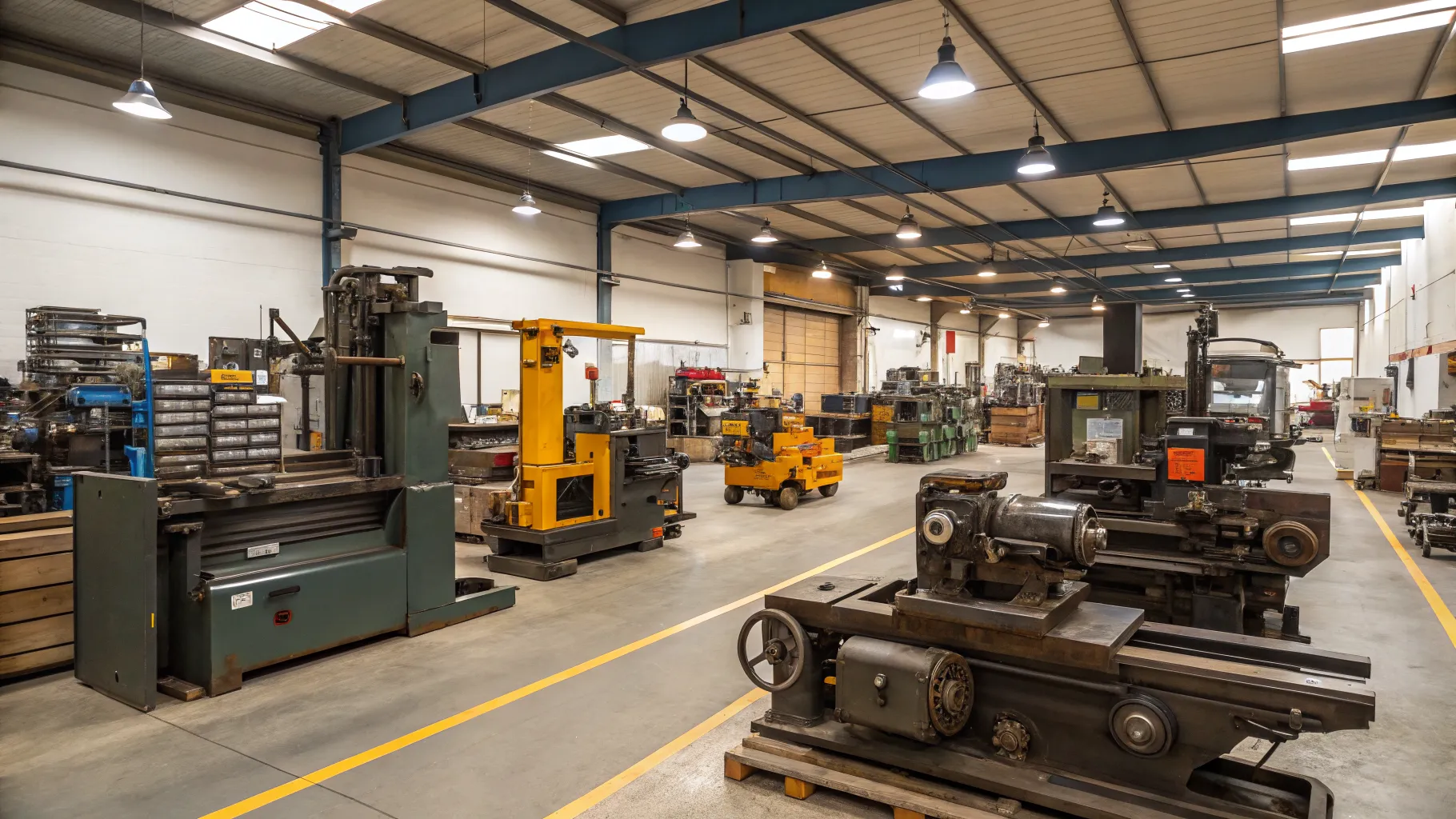
The market for used industrial tools is incredibly diverse, encompassing nearly every sector of manufacturing, construction, and specialized trades. Businesses can find everything from large-scale fabrication equipment to precision hand tools. Common categories include metalworking machinery like lathes, milling machines, and grinders; woodworking equipment such as saws, planers, and sanders; and construction machinery including excavators, forklifts, and cranes. Furthermore, specialized industrial equipment for sectors like automotive repair, textile production, and chemical processing is frequently available. Each piece of pre-owned industrial gear offers an opportunity for businesses to acquire high-quality assets that have proven their durability in previous operational environments, often with minimal wear and tear when properly maintained. The sheer volume of choices means that specific needs can almost always be met by carefully browsing listings for second-hand tools, ensuring that companies can find exactly what they need for their unique applications.
Key Benefits of Investing in Second-Hand Tools
One of the most compelling reasons to consider used industrial tools is the significant cost savings. Businesses can often purchase high-quality industrial equipment at 30-70% less than the price of new counterparts, freeing up capital for other investments. This financial advantage is crucial for startups and growing enterprises operating with tighter budgets. Beyond cost, availability is another major benefit; often, second-hand tools can be sourced and delivered much faster than new orders, especially for specialized or custom machinery which might have long lead times when ordered fresh from a manufacturer. Environmental sustainability also plays a role; by opting for pre-owned industrial gear, companies contribute to a circular economy, reducing waste and the demand for new resource extraction and manufacturing processes. Moreover, many pieces of refurbished machinery come with warranties or are inspected to ensure they meet operational standards, providing peace of mind to buyers.
Ensuring Quality When Buying Pre-Owned Industrial Gear
While the benefits are clear, it is paramount to conduct thorough due diligence when acquiring used industrial tools. Reputable suppliers often provide detailed inspection reports, maintenance histories, and even operational videos for their second-hand tools. Buyers should inquire about the tool's previous working environment, its age, and the extent of any refurbishments. For larger or more critical pieces of industrial equipment, it is highly advisable to arrange for a professional inspection or, if possible, a trial run. Checking for signs of excessive wear, corrosion, or modifications that might compromise safety or performance is essential. Understanding the specific brand and model's reputation for durability and availability of spare parts is also critical to ensure long-term usability of your pre-owned industrial gear. Prioritizing quality inspections can mitigate risks and ensure that the purchased equipment delivers reliable performance.
Navigating the Market for Refurbished Machinery
The market for refurbished machinery is a specialized segment within the broader category of used industrial tools. Refurbished items have typically undergone a rigorous process of inspection, repair, and restoration to bring them back to near-original operational specifications. This often includes replacing worn parts, recalibrating systems, and extensive testing. When considering refurbished machinery, buyers should look for clear documentation of the refurbishment process, including what parts were replaced or repaired, and what tests were conducted. The advantage of refurbished equipment is that it often comes with a warranty from the refurbisher, offering a level of assurance that might not be present with standard second-hand tools. This makes them a compelling option for businesses that want the cost savings of used equipment combined with a higher degree of reliability and reduced immediate maintenance concerns. Evaluating the reputation of the refurbisher is crucial to ensure the quality and integrity of the work performed on the industrial equipment.
Smart Purchasing Strategies for Used Industrial Tools
Developing a smart purchasing strategy is key to maximizing the value of your investment in used industrial tools. Firstly, clearly define your needs: what specific tasks will the tool perform, what capacity is required, and what budget is available? Researching specific models of industrial equipment that fit these criteria, both new and used, will provide a baseline for comparison. Secondly, explore various sourcing channels: specialized dealers, online marketplaces, industrial auctions, and direct sales from businesses upgrading their facilities. Each channel has its pros and cons regarding price, selection, and buyer protection. For instance, reputable dealers often offer better support and potentially warranties for second-hand tools, while auctions might offer lower prices but higher risk. Thirdly, be prepared to act quickly if an ideal piece of pre-owned industrial gear appears, as high-demand items can sell fast. Finally, factor in potential transportation, installation, and initial maintenance costs into your total budget, as these can significantly impact the overall cost-effectiveness of used industrial tools.
Practical Tips for Maintaining Used Industrial Tools:
- Implement a Strict Maintenance Schedule: Establish a routine for cleaning, lubrication, and inspection of all used industrial tools. Regular preventative maintenance can catch small issues before they escalate into costly breakdowns, extending the operational life of your industrial equipment.
- Train Operators Properly: Ensure that all personnel operating second-hand tools are thoroughly trained in their correct use and safety protocols. Improper operation is a leading cause of wear and damage, especially for older or more complex refurbished machinery.
- Source Quality Spare Parts: When replacements are necessary, always prioritize genuine or high-quality aftermarket spare parts. Using inferior components can compromise the performance and longevity of your pre-owned industrial gear, potentially leading to further damage.
- Store Equipment Appropriately: Protect your used industrial tools from environmental factors like excessive moisture, dust, and extreme temperatures. Proper storage prevents corrosion and extends the life of electrical and mechanical components.
- Regularly Calibrate and Inspect: For precision industrial equipment, regular calibration is essential to maintain accuracy. Routine inspections should also be conducted to identify any emerging wear, fatigue, or potential safety hazards in your second-hand tools.
Frequently Asked Questions
Are used industrial tools reliable?
Many used industrial tools are highly reliable, especially if they have been well-maintained or refurbished. The key is to purchase from reputable sellers, conduct thorough inspections, and review maintenance records. Often, robust industrial equipment is built to last for decades, making it an excellent investment even as second-hand tools.
What should I look for when inspecting used industrial equipment?
When inspecting used industrial equipment, look for signs of excessive wear, corrosion, cracks, or damage to critical components. Check for proper functionality of all moving parts, listen for unusual noises during operation, and inspect electrical systems and safety features. Request maintenance logs and operational history for detailed insights into the specific used industrial tools you are considering.
Is refurbished machinery better than standard second-hand tools?
Refurbished machinery typically undergoes a more extensive process of repair, cleaning, and testing, often bringing it closer to its original operational specifications. This usually means a higher price point than standard second-hand tools but can offer greater reliability and often comes with a warranty, providing added peace of mind for your pre-owned industrial gear investment.
References
- Industry Reports on Used Machinery Market Trends.
- Guidelines for Purchasing Industrial Equipment.
- Best Practices for Maintaining Second-Hand Tools.
Authored by MyTrendSpot team