Valuable Vintage Phone Guide: Uncovering Collectible Telephones
Facts:
- Rare models can fetch high prices.
- Collector interest in vintage phones for historical enthusiasts.
Navigating the World of Collectible Telephones
The allure of yesterday's technology often transcends mere nostalgia, evolving into a dedicated pursuit for collectors. This valuable vintage phone guide is designed to illuminate the fascinating world of old telephones, helping enthusiasts and potential sellers understand what makes certain models highly sought-after. From the earliest manual switchboard devices to iconic rotary dial phones, each piece tells a story of technological evolution and societal change, offering a tangible link to communication history.
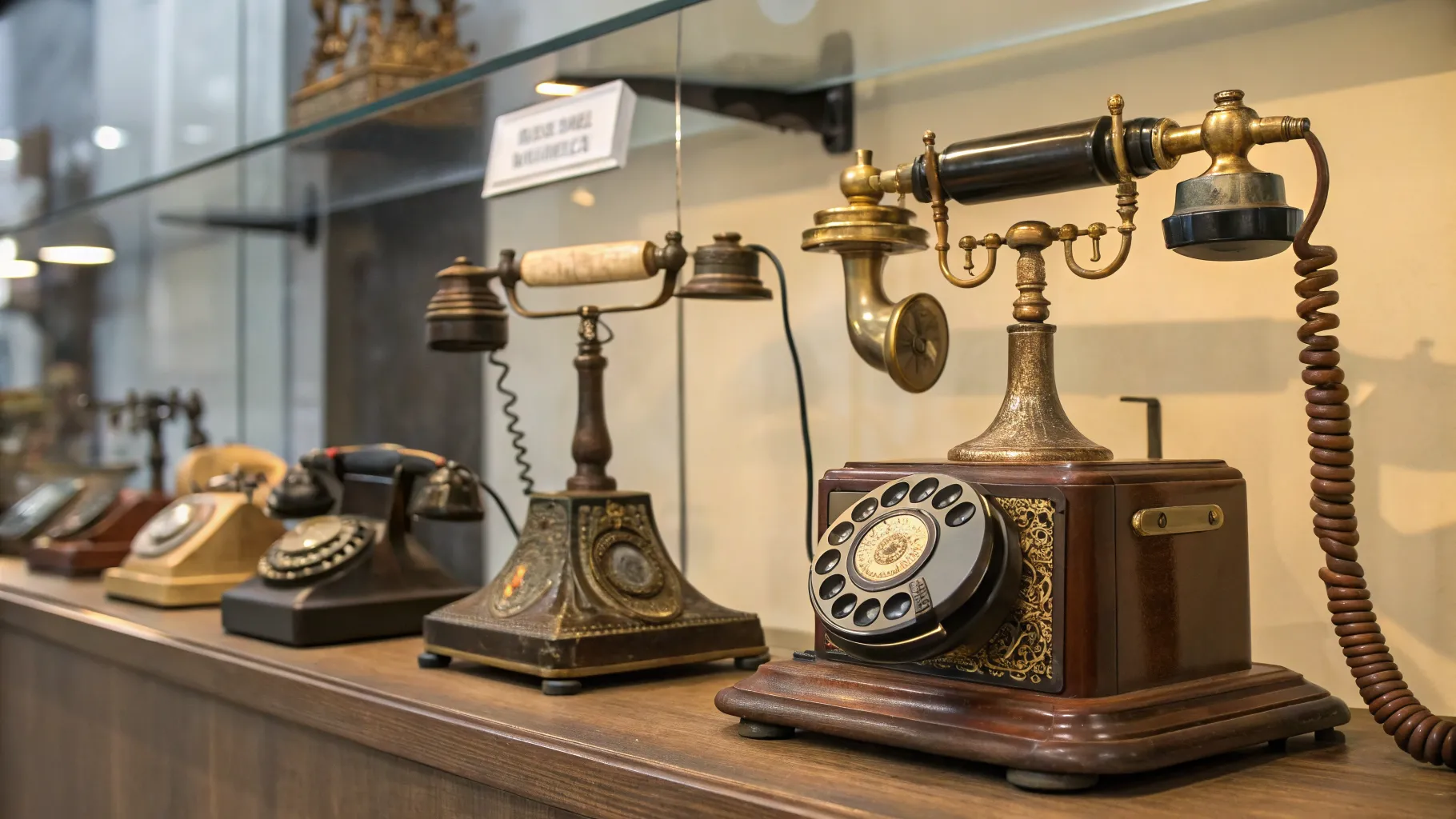
Identifying Key Features of Valuable Vintage Phones
Understanding what makes a vintage phone valuable begins with recognizing its distinct characteristics. Age, rarity, condition, and historical significance are paramount. Early 20th-century models, especially those pre-dating widespread automatic exchanges, often command higher prices due to their scarcity and craftsmanship. Materials also play a crucial role; brass, bakelite, and intricate wooden casings can indicate a higher intrinsic worth. Collectors often look for originality, meaning phones that retain their original components and finish without significant restoration, enhancing their antique phone value.
The Charm of Rotary Dial Phones
Rotary dial phones represent a significant era in telecommunications history. Their robust construction and distinctive user experience make them highly desirable collectible telephones. Key factors influencing their antique phone value include the specific model (e.g., Western Electric, Stromberg-Carlson), color variations, and whether they are desk or wall-mounted. Rare colors, such as pink or turquoise, can significantly increase their appeal. Functionality, while not always a primary driver for display pieces, can add to the value for those seeking fully operational collector's items, contributing to a truly comprehensive valuable vintage phone guide.
Exploring Early Mobile Phone Collectibles
While often overlooked in traditional vintage phone discussions, the earliest mobile phones are rapidly gaining traction as collectible telephones. These bulky "brick phones" from the 1980s and early 1990s, such as the Motorola DynaTAC, represent the genesis of modern portable communication. Their scarcity, iconic status, and association with a pivotal technological shift contribute to their rising antique phone value. Collectors seek models in good condition, preferably with original chargers and accessories, as these complete sets are much rarer and more sought after.
Authentication and Condition Assessment
Authenticating a collectible telephone involves careful examination of its markings, serial numbers, and internal components. Researching manufacturer catalogs and historical records is essential to verify a phone's origin and period. Condition is arguably the most critical factor influencing antique phone value. Minor wear and tear are expected with age, but significant damage, missing parts, or amateurish repairs can drastically reduce a phone's desirability. Original untouched patina is often preferred over over-polished or repainted finishes, as it reflects the phone's genuine history and enhances its appeal to serious collectors of vintage phones.
Valuing Your Vintage Phone: Market Insights
Determining the precise antique phone value requires consulting multiple resources. Online auction sites, dedicated collector forums, and antique appraisal services can provide comparative pricing data. Rare models, limited production runs, or phones with unique historical provenance (e.g., used by a famous personality) will naturally command higher prices. Factors such as geographical demand and current collector trends also play a role. For example, some regions might have a stronger appreciation for locally manufactured vintage phones, creating specific niches within the broader market for collectible telephones.
Comparison: Rotary vs. Candlestick Phones
When comparing rotary dial phones with older candlestick models, distinct valuation differences emerge. Candlestick phones, predominantly from the early 20th century, often represent an earlier, more intricate design period. Their unique form and relative scarcity mean they frequently command a higher antique phone value, especially if made of brass and in good original condition. Rotary dial phones, while more common, offer variety in color and model, appealing to a broader base of collectors. Both types are highly desirable collectible telephones, but their value drivers stem from different historical and aesthetic contexts, making each a fascinating part of any valuable vintage phone guide.
Preserving Your Collectible Telephones
Proper preservation is vital for maintaining the antique phone value of your collection. Storing vintage phones in a stable environment, away from direct sunlight, extreme temperatures, and humidity, prevents material degradation. Regular, gentle cleaning with appropriate materials is recommended to remove dust and grime without damaging original finishes. Avoid harsh chemicals or abrasive tools. For wooden phones, occasional conditioning can prevent drying and cracking. Ensuring all components are securely attached and preventing accidental falls will prolong the life and beauty of your collectible telephones, securing their worth for future generations.
Actionable Advice for Aspiring Collectors
- Start with Research: Before purchasing any vintage phones, immerse yourself in research about different eras, manufacturers, and models to understand what truly constitutes a valuable piece and its potential antique phone value.
- Inspect Condition Meticulously: Always thoroughly inspect a potential acquisition for damage, missing parts, and originality. Ask for detailed photos or examine in person if possible to ensure you are getting genuine collectible telephones.
- Network with Other Enthusiasts: Joining online forums and local clubs dedicated to collectible telephones can provide invaluable insights, sourcing opportunities, and advice from experienced collectors.
- Understand Market Trends: Keep an eye on auction results and sales data to gauge the current antique phone value for various models, helping you make informed purchasing decisions for your vintage phone collection.
- Focus on a Niche: Specializing in a particular type (e.g., only rotary dial phones), manufacturer, or era can make your collecting more manageable and rewarding, allowing for deeper expertise.
Frequently Asked Questions
What makes a vintage phone valuable?
Several factors contribute to the value of a vintage phone, including its rarity, age, condition, historical significance, and original manufacturer. Models from specific periods or those with unique features often command higher prices. Scarcity and demand among collectors are also key determinants of antique phone value.
How can I determine the antique phone value of my old telephone?
To determine the antique phone value, research comparable models sold on auction sites, consult specialized antique appraisers, or check collector forums. Identifying the manufacturer, model number, and assessing its condition (e.g., working order, cosmetic flaws) are crucial steps. The presence of original parts and accessories also influences the valuation of collectible telephones.
Are rotary dial phones still functional?
Many rotary dial phones can still be functional, especially if they are in good condition and have been properly maintained. However, their full functionality often depends on the type of phone service you have. Modern VoIP or digital lines might require an adapter for older analog phones to work correctly, or they may only function for incoming calls.
References
- Bell System Memorial.
- Antique Telephone Collectors Association.
- Museum of Communications.
Authored by MyTrendSpot team