The Ultimate Vintage Watch Collector's Guide: Discovering Collectible Timepieces
Facts:
- Owning a vintage watch connects you to history and craftsmanship.
- The market for high-quality **vintage watches** shows consistent growth for discerning collectors.
Embarking on Your Vintage Watch Collecting Journey
The allure of **vintage watches** is undeniable, drawing enthusiasts into a world rich with history, intricate mechanics, and timeless design. This comprehensive guide serves as your essential companion, whether you're a novice taking your first steps into **watch collecting** or an experienced connoisseur looking to deepen your understanding. We'll explore the nuances of identifying authentic pieces, understanding their value, and the joy of preserving these miniature marvels of **horology** for generations to come. Prepare to uncover the secrets behind some of the most sought-after **collectible timepieces**.
Understanding the Appeal of Vintage Watches
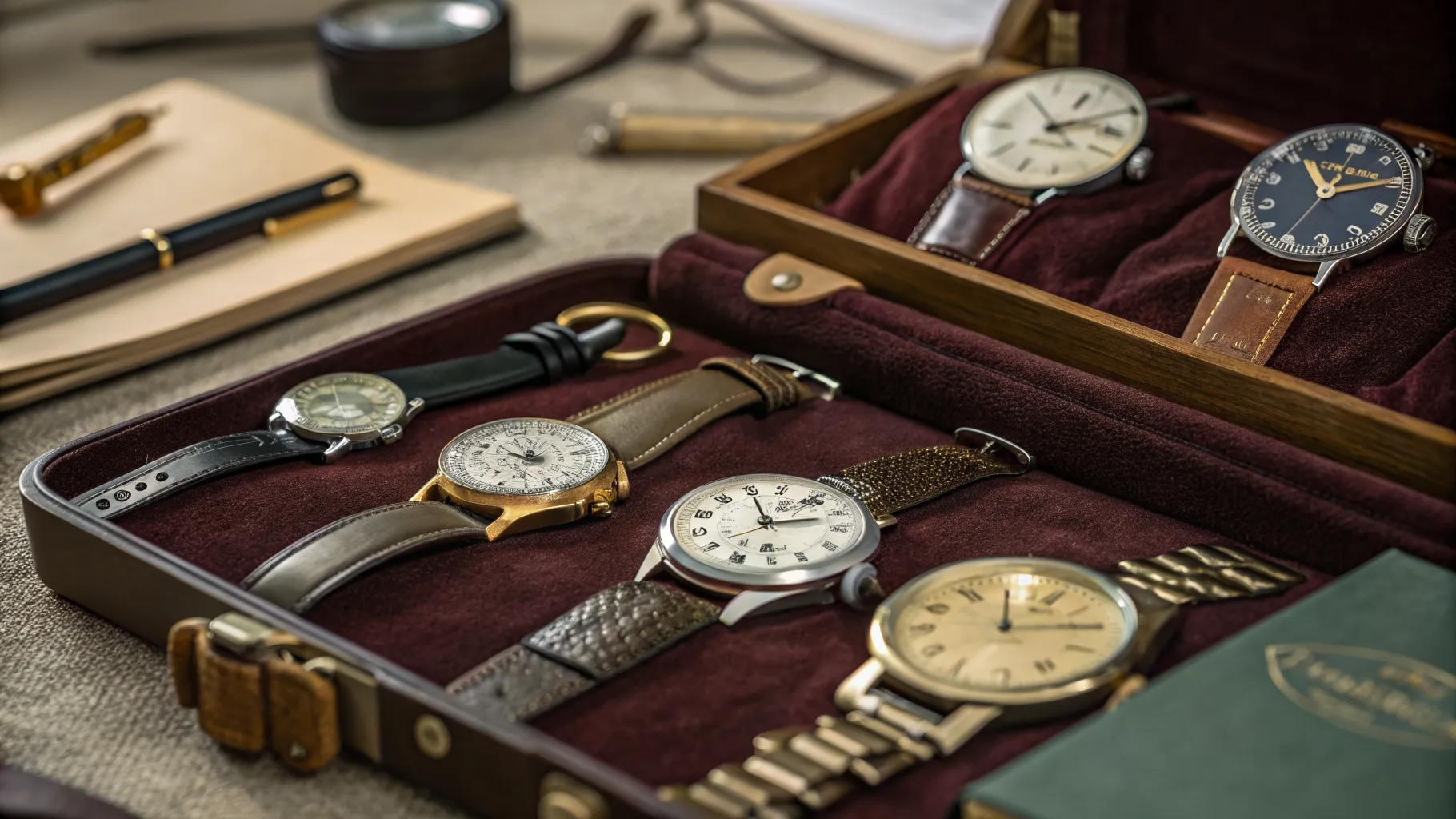
What makes a watch 'vintage'? Generally, a watch is considered vintage if it is at least 20-30 years old, though there's no universally agreed-upon definition. The appeal lies in their unique stories, the craftsmanship of a bygone era, and the tangible connection to history they offer. Unlike modern counterparts, many **vintage watches** were built with an emphasis on durability and serviceability, featuring movements that are often hand-finished and designed to last a lifetime with proper care. This makes them not just accessories, but true mechanical works of art. Furthermore, certain models and brands have achieved iconic status, making them highly desirable **collectible timepieces** for enthusiasts worldwide. The hunt for these rare gems is a significant part of the **watch collecting** experience.
Key Factors in Vintage Watch Appraisal
When considering a **vintage watch** for purchase or sale, several critical factors influence its value and authenticity. Condition is paramount; an original, unrestored watch with minimal wear often commands a higher price than one that has been heavily polished or had parts replaced. Provenance, or the history of ownership and origin, can also significantly boost a watch's desirability, especially if it can be traced back to a notable figure or event. Rarity, the brand's prestige, the complexity of the movement (complications), and the originality of all components (dial, hands, case, movement) are also crucial. A thorough **watch appraisal** by a reputable expert is essential to ensure you understand the true worth of any potential acquisition in your **watch collecting** journey.
Navigating Iconic Vintage Watch Brands and Eras
The landscape of **vintage watches** is dominated by legendary brands and distinct periods that shaped **horology**. Brands like Rolex, Patek Philippe, Omega, and Jaeger-LeCoultre are synonymous with quality and innovation, and their vintage models are highly sought after. Different eras also carry distinct aesthetic and mechanical signatures. The Art Deco period (1920s-1930s) brought elegant rectangular cases and intricate dials. The post-war boom saw the rise of tool watches, such as dive watches and chronographs, from the 1950s and 60s, designed for specific professional uses. Understanding these historical contexts helps collectors appreciate the evolution of design and engineering. Exploring these eras deepens one's understanding of **collectible timepieces** and the rich narrative they represent.
Essential Tips for Successful Vintage Watch Collecting
For anyone serious about **watch collecting**, a disciplined approach is key. Firstly, educate yourself extensively; read books, join forums, and consult with experienced collectors. Secondly, always buy the seller, not just the watch. Reputable dealers who offer guarantees and transparent descriptions are invaluable resources. Thirdly, prioritize originality. A watch with its original dial, hands, and unpolished case will generally be more valuable and desirable than one with replacement parts, even if the latter appears cosmetically 'better'. Fourthly, consider long-term maintenance; parts for some obscure **vintage watches** can be exceedingly difficult to find. Lastly, buy what you love. While investment potential is a factor, the true joy of **vintage watch collecting** comes from connecting with the pieces that resonate with you personally.
The Art of Vintage Watch Care and Restoration
Preserving the integrity of **vintage watches** requires specialized care and, occasionally, thoughtful restoration. Regular servicing by a skilled watchmaker specializing in older movements is crucial to maintain functionality and prevent wear. Avoid exposing **collectible timepieces** to extreme temperatures, magnetic fields, or water, especially if their water resistance is unknown or compromised. For restoration, the goal is always preservation of originality. This means cleaning, lubricating, and replacing only worn-out parts with period-correct components where possible, rather than over-polishing cases or replacing original dials. A sympathetic approach ensures that the historical character and value of the **vintage watches** are maintained, safeguarding them for future generations of **horology** enthusiasts.
Frequently Asked Questions
What defines a collectible vintage watch?
A **collectible vintage watch** is typically defined by its age (often 20+ years), rarity, historical significance, brand prestige, and the originality of its components. Models with unique complications or those tied to specific historical events also tend to be highly collectible, making them sought-after for serious **watch collecting**.
How do I get a proper vintage watch appraisal?
To get a proper **vintage watch appraisal**, seek out an independent, certified watch appraiser or a reputable auction house with a strong watch department. They can provide an expert assessment based on the watch's condition, originality, provenance, and current market trends, ensuring an accurate valuation for your **collectible timepieces**.
Is it better to restore or keep a vintage watch original?
Generally, it is better to keep a **vintage watch** as original as possible. 'Original' condition often commands a higher value in the market. Restoration should be limited to necessary mechanical servicing to ensure functionality, and any cosmetic work should be done sympathetically, preserving the watch's original patinas and components to maintain its historical integrity and value in **watch collecting**.
References
- The Watch Handbook: A Guide for the Connoisseur
- Collecting Vintage Watches: The Enthusiast's Guide
- A Collector's Guide to Fine Wristwatches
Authored by MyTrendSpot team